
MU Stock After a Record Q4: Why Micron Slipped on a Huge Beat

 Prefer us on Google



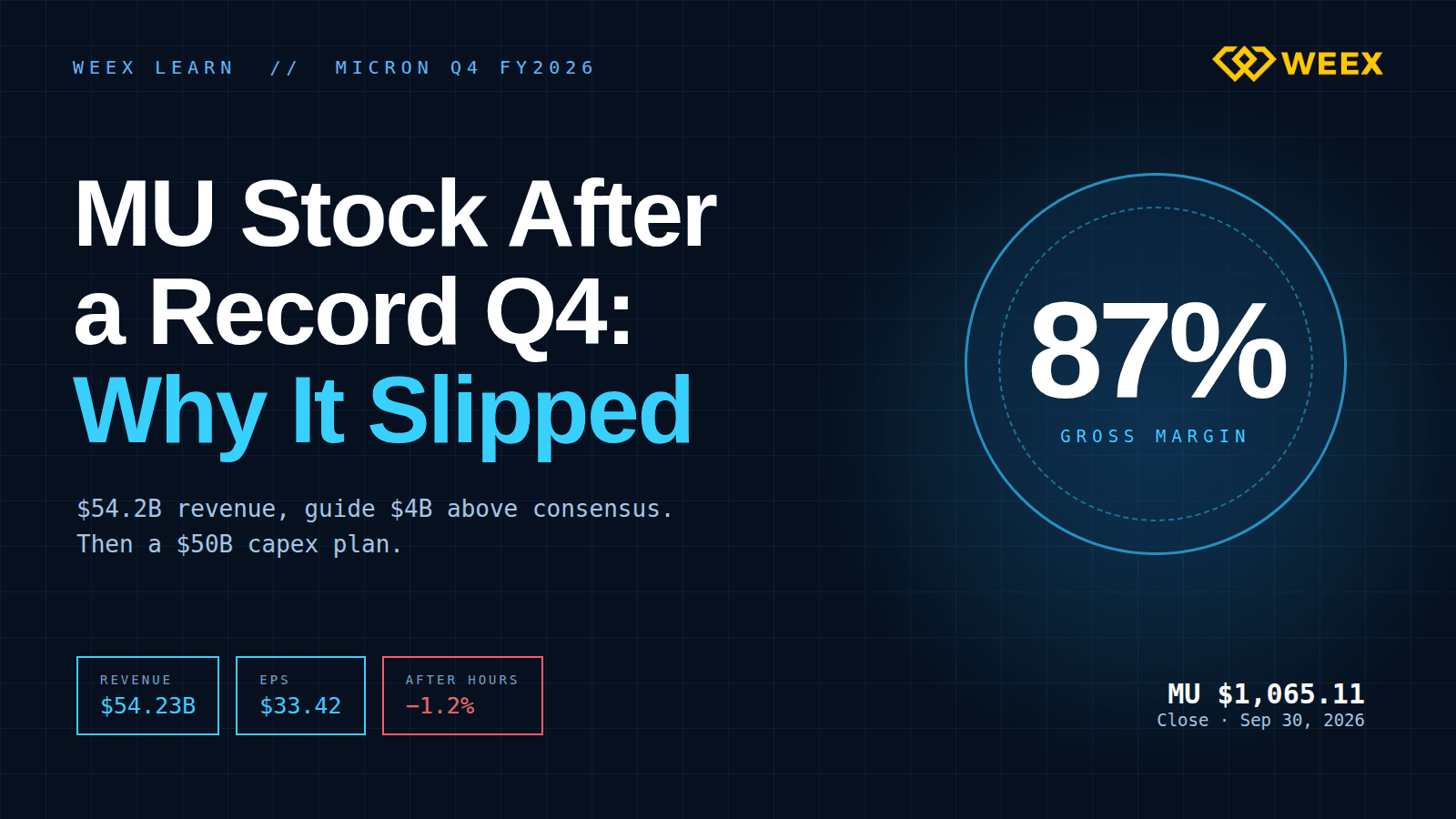
MU stock closed at $1,065.11 on September 30, 2026 and traded about 1.2% lower after hours, near $1,056, even though Micron had just reported the best quarter in its history: $54.23 billion in revenue, an 87% gross margin and guidance well above consensus. The stock is up roughly 260% this year and carries a market value of about $1.2 trillion, so the bar was not "beat estimates." It was "beat what a 260% rally already assumed." This article covers the reported numbers, the reason a company can raise guidance by $4 billion and still see its shares dip, how cheap or expensive MU stock is on the new figures, and the specific things that would break the story.
MU Stock Price and Key Figures as of September 30, 2026
Market data is from TradingView at the September 30 close; company figures are from Micron's press release of the same date.
- Close: $1,065.11, essentially flat on the day; about $1,056 in after-hours trading
- Market cap: about $1.20 trillion
- 52-week range: $179.61 to $1,255.00. The stock sits 15% below its high.
- Performance: about +261% year to date, +14.4% over one month, -3.2% over the past week
- Options had implied a move of plus or minus 6.5% on earnings; the initial reaction was a fraction of that
The last line is informative. A stock that moves 1% when the market priced 6.5% is telling you the result landed close to what large holders expected, record or not.
Micron Earnings: What Fiscal Q4 2026 Showed
Micron's fiscal fourth quarter ended September 3, 2026.
- Revenue: $54.23 billion, against a consensus of about $51.07 billion. That compares with $41.46 billion in the prior quarter and $11.32 billion a year earlier.
- Non-GAAP EPS: $33.42, against a consensus of $31.61. GAAP EPS was $32.87.
- Gross margin: 87.0% non-GAAP, a point above the company's own guide
- Operating cash flow: $43.97 billion in a single quarter
- Full fiscal year 2026: revenue of $133.19 billion against $37.38 billion in fiscal 2025, and non-GAAP EPS of $75.52
By business unit, Core Data Center brought in $18.00 billion, Cloud Memory $16.28 billion, Mobile and Client $13.11 billion, and Automotive and Embedded $6.82 billion. Data-center SSD revenue alone approached $10 billion, more than ten times the year-ago figure.
Pricing did most of the work. On the call, management said DRAM prices rose by a high-teens percentage from the prior quarter and NAND prices by about 30%. When prices rise that fast on a largely fixed cost base, nearly all of it falls to gross profit, which is how a memory maker ends up with a margin profile that looks like software.
Why MU Stock Fell After a Beat-and-Raise
The guidance was strong. For fiscal Q1 2027 Micron expects revenue of $61.5 billion, plus or minus $1.5 billion, against a consensus of about $57.0 billion, with non-GAAP EPS of $38.15 against $35.14 expected. Management also said revenue should grow sequentially every quarter of fiscal 2027.
Three things in the report explain the muted reaction.
Margin has stopped expanding. The Q1 gross margin guide is about 86.25%, slightly below Q4's 87.0%. Management attributed roughly $1 billion of extra cost to incentive compensation and fab start-up expenses. An 86% margin is extraordinary, but the stock has been paid for margin going up, and this is the first quarter in the run where the guide points sideways.
Capex is climbing steeply. Micron spent $27.37 billion on capital expenditures in fiscal 2026. It now projects about $50 billion or more for fiscal 2027, including $11.5 billion in Q1 alone, with the second half higher than the first. New capacity is scheduled across Idaho in mid-2027 and late 2028, Singapore in 2027 and 2028, and New York in 2030. Every memory cycle in history has ended the same way: high prices fund new fabs, the fabs arrive together, and prices fall. Investors know that pattern, and a doubling of capex is the first step in it.
Inventory ticked up. Days of inventory rose by 9 to 129. In a market described as supply-constrained, rising inventory days is a number analysts will ask about for the next three months.
None of these is a red flag alone. Together they shift the question from "how strong is demand" to "how long does this pricing last," and that is a harder question to answer with a single quarter.
-- Price
Is MU Stock Expensive? The Valuation Math
Here the numbers are more favorable than the price tag suggests.
- On trailing earnings: $1,065 divided by fiscal 2026 non-GAAP EPS of $75.52 is about 14 times.
- On the current run rate: the Q1 guide of $38.15, annualized, is roughly $153 a share. On that basis the stock trades near 7 times earnings.
A multiple of 7 on a company whose quarterly revenue is nearly five times what it was a year ago is not the market being careless. It is the market saying it does not believe $153 is a sustainable earnings level. Cyclical stocks routinely look cheapest at the top of their cycle, because the multiple compresses in anticipation of the earnings falling.
So the investment question is not whether Micron is cheap on this year's numbers. It plainly is. The question is whether this cycle is structurally longer than past ones. Micron's argument that it is rests on three disclosed facts: it has signed 26 strategic customer agreements, up from 16 a quarter ago, backed by $32 billion in customer financial commitments, mostly cash deposits; about 75% of calendar 2027 output is already committed; and most of its 2027 HBM supply has been priced, at levels above 2026. Customers who prepay billions to secure supply are not behaving as if a glut is near.
The better reading is that the downside case has been pushed out, not removed. Contracted volume protects 2027. It says little about 2029, when the new fabs are running.
What Would Change the Micron Stock Story
The points experienced semiconductor investors will track from here:
- Contract pricing direction. A single quarter of flat DRAM prices would matter more than any revenue beat.
- Hyperscaler capital spending. Micron's demand is a derivative of AI data-center budgets at a handful of buyers.
- Competitor capacity. Samsung and SK Hynix are expanding too. Industry bit growth is guided to the low-to-mid 20s percent range for 2027 and 2028; supply growing faster than that is the classic warning.
- Inventory days moving further above 129.
- Capital returns. Management expects to reach its target cash level by the end of fiscal Q1 and to step up buybacks from December 9, 2026. The current authorization is only $2.2 billion, with a larger one expected. The size of that new authorization is a tell on how management sees its own cycle.
One more practical observation. Memory costs at these prices are now a problem for Micron's customers. Server makers have named DRAM and NAND availability as their primary supply constraint. A supplier with an 87% margin invites its buyers to redesign around it, dual-source harder, or wait. That pressure builds slowly and shows up late.
How to Trade MU Stock Exposure on WEEX
Beyond a brokerage account, MU exposure is available as a USDT-margined perpetual. The MU/USDT perpetual on WEEX lists leverage of up to 100x as of October 1, 2026.
- Open the MU/USDT contract and check the session status. Stock-linked contracts follow rules that differ from crypto pairs, set out in the WEEX TradFi futures guide.
- Choose isolated margin so a single position cannot draw on the rest of the account.
- Set leverage low. MU moved between $179 and $1,255 in twelve months; at 10x, a 10% adverse move is a full loss of margin.
- Place a stop-loss when the order is opened, not afterward.
- Remember what the contract is: a derivative that tracks the share price and settles in USDT. It carries no dividend, vote or ownership in Micron.
The Bottom Line on MU Stock
MU stock delivered a record quarter and a guide $4 billion above consensus, and the market shrugged, because the stock had already priced in excellence and the report introduced the first hints of a cycle maturing: flat margin, capex doubling, inventory edging up. On earnings the shares are inexpensive. On cycle risk they are not obviously so. The contracts and prepayments make 2027 look secure. What happens when $50 billion a year of new capacity comes online is the open question, and it will be answered by pricing data well before it shows up in revenue.
FAQ
1. Why did MU stock drop after earnings?
Micron beat on revenue and EPS and guided above consensus, but the gross margin guide was slightly lower than the quarter just reported, fiscal 2027 capex was set at about $50 billion or more, and inventory days rose. After a 260% gain this year, that was enough for a small after-hours decline of about 1.2%.
2. What were Micron's Q4 2026 results?
Revenue of $54.23 billion, non-GAAP EPS of $33.42 and a non-GAAP gross margin of 87.0% for the quarter ended September 3, 2026. Full-year revenue was $133.19 billion.
3. What is Micron's guidance for the next quarter?
For fiscal Q1 2027: revenue of $61.5 billion plus or minus $1.5 billion, non-GAAP gross margin of about 86.25%, and non-GAAP EPS of $38.15 plus or minus $1.00.
4. Is MU stock overvalued at $1,065?
On trailing fiscal 2026 earnings it trades at about 14 times, and near 7 times the annualized Q1 guide. That is low by any normal measure. The low multiple reflects doubt that current memory pricing will last once new capacity arrives, which is the real risk to weigh.
5. Does Micron pay a dividend?
Yes. The board declared a quarterly dividend of $0.15 per share on September 30, 2026. Management has said capital returns will increase from December 2026, mainly through share repurchases.
This content is provided for general informational purposes only and doesn't constitute financial, investment, legal, or tax advice. Any events, rewards, online promotions, or related information mentioned herein should not be considered a recommendation, solicitation, or invitation to purchase, sell, trade, or otherwise deal in any crypto assets. Crypto assets are highly volatile and may result in loss. The availability of WEEX services, products, and related events may vary by region. You are responsible for ensuring that your participation is in accordance with applicable local laws and regulations.
You may also like

How to Buy Crypto with PayPal: The Custody Catch Most Beginners Miss
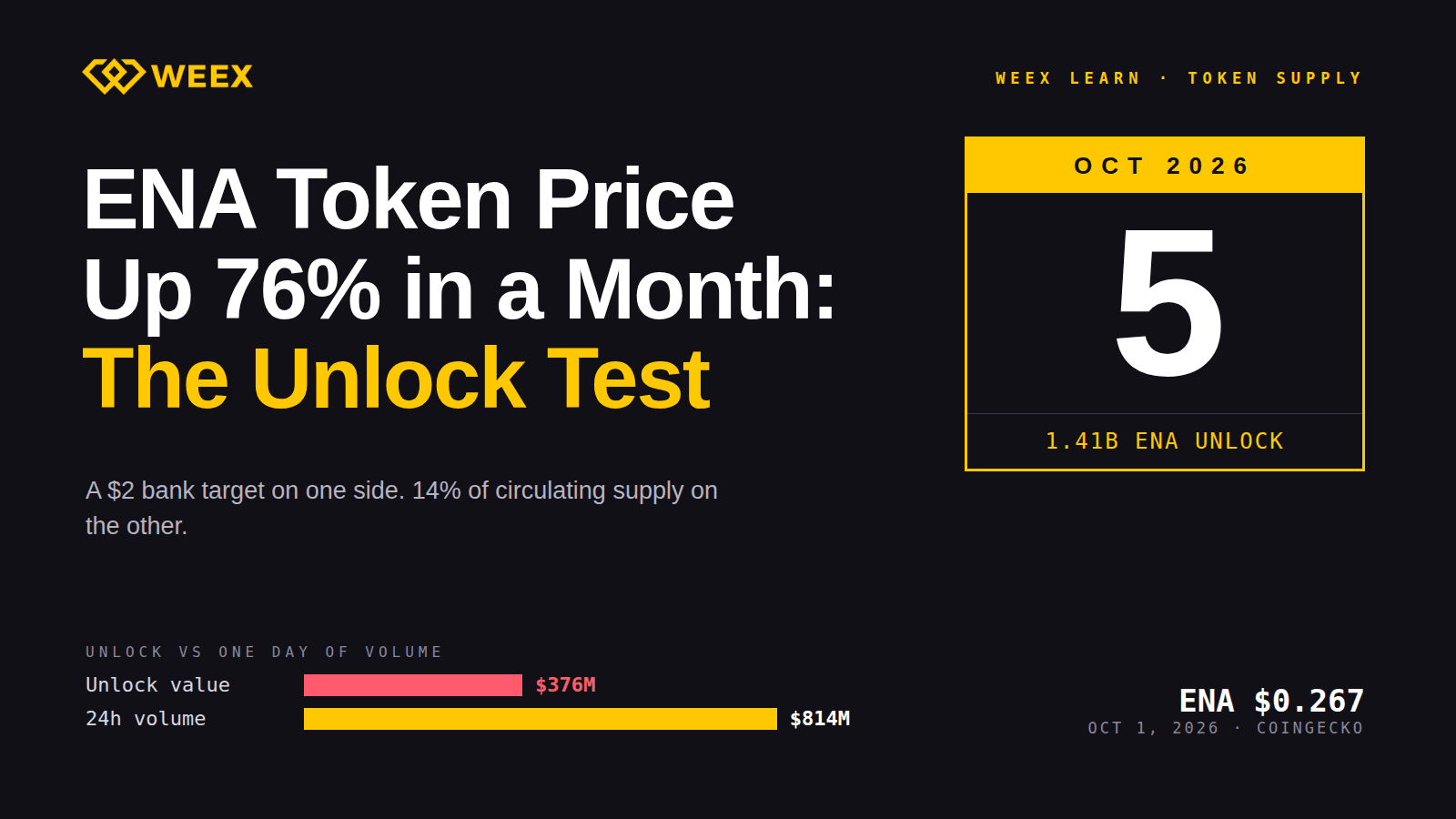
ENA Token Price Up 76% in a Month: The October 5 Unlock Test

QNT Price Near $295: Does the Bank Deal Justify a 4x Rally?
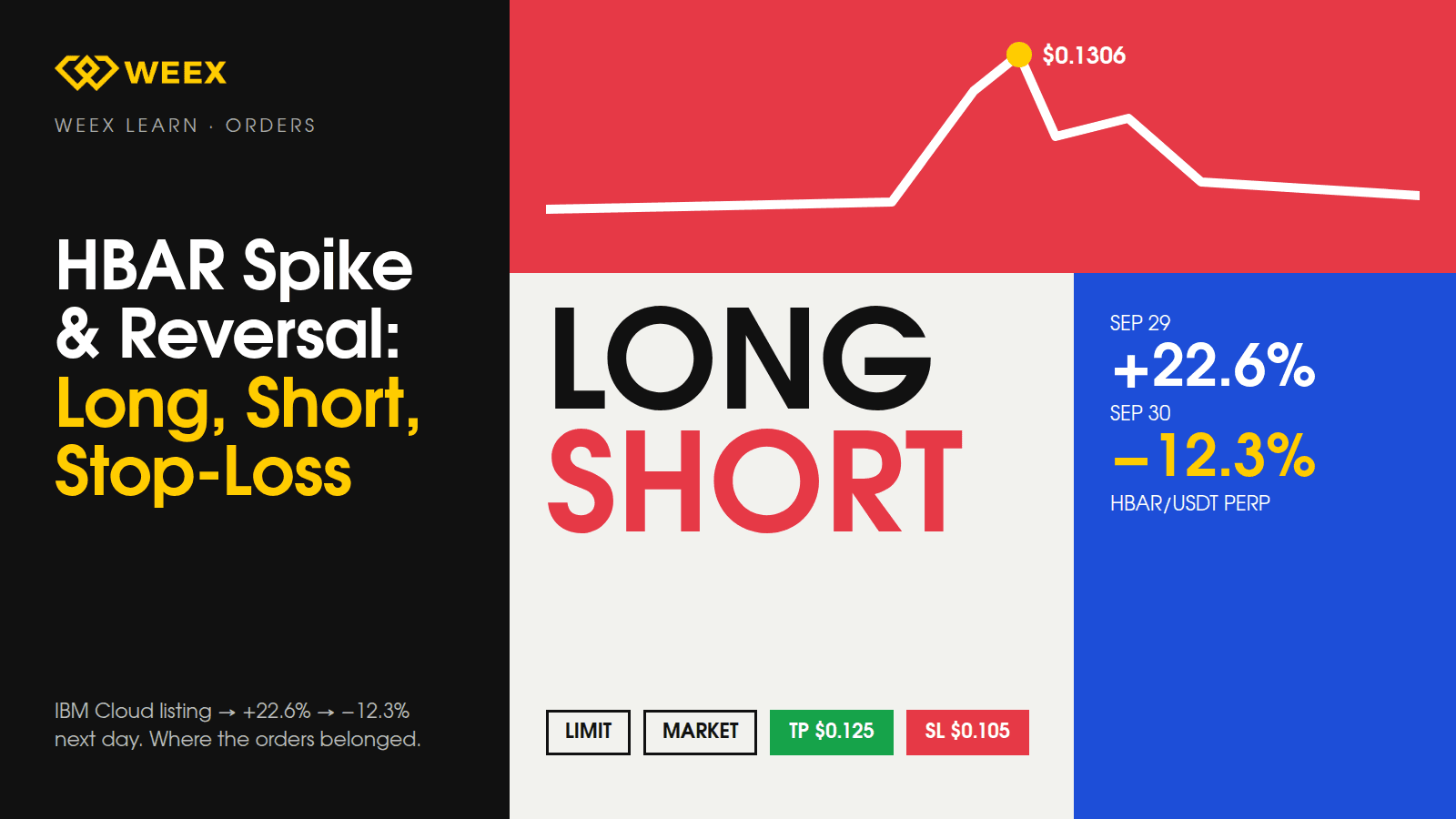
HBAR Price Spike and Reversal: Long, Short, and Stop-Loss Orders
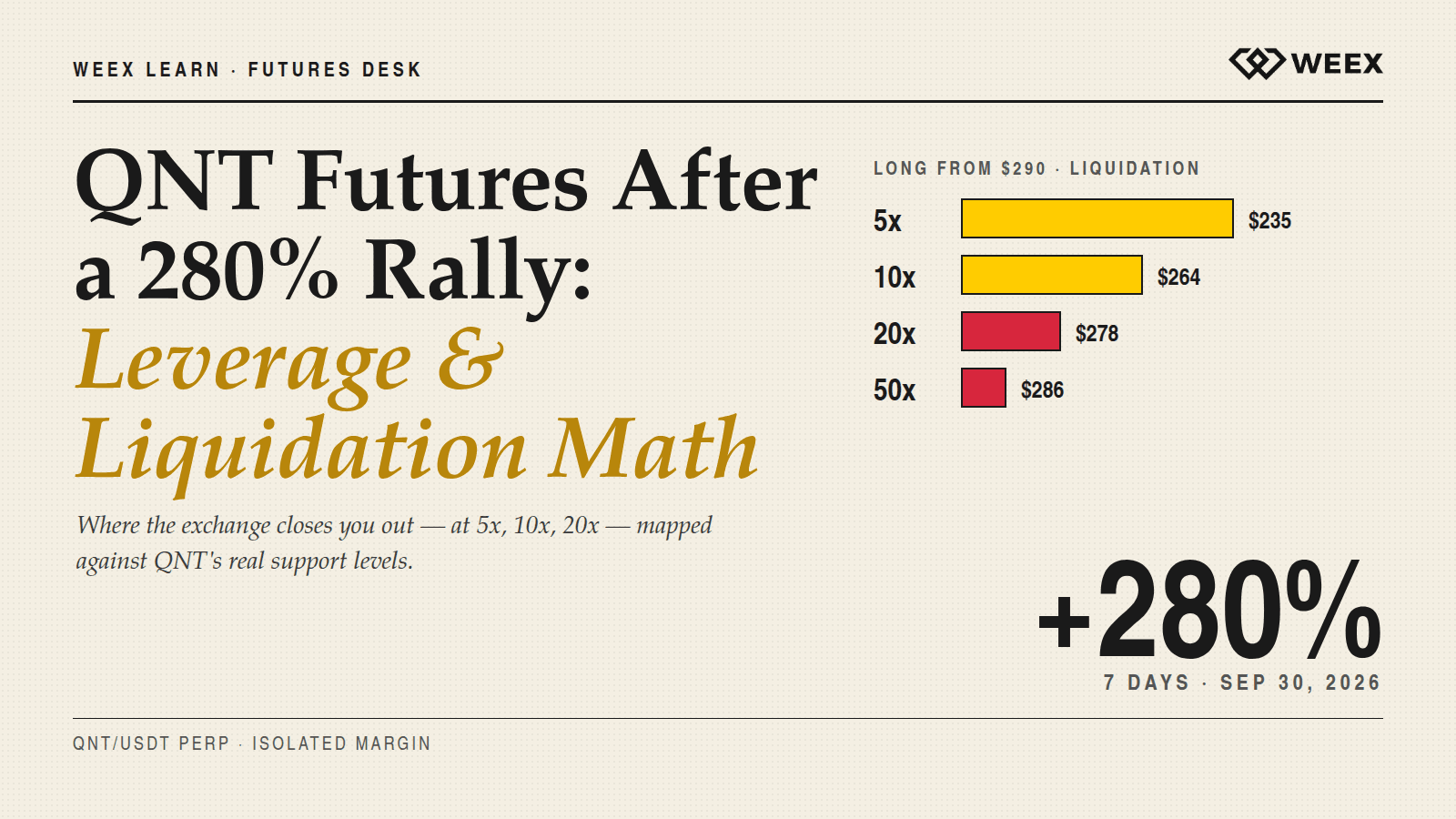
QNT Futures After a 280% Rally: Leverage and Liquidation Math
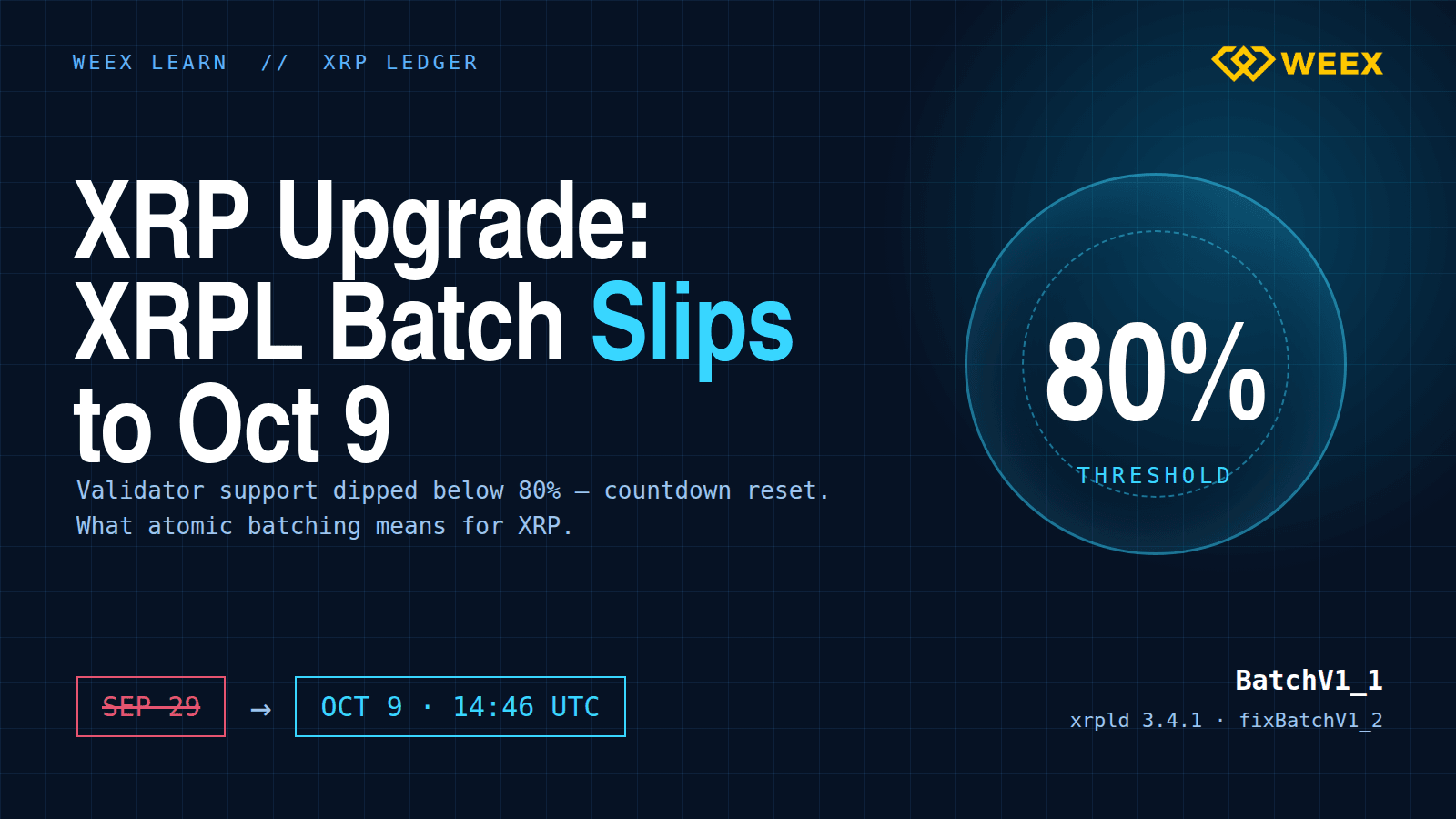
XRP Upgrade Update: XRPL Batch Slips to Oct 9 and What Changes

Safest Crypto Wallet in 2026: Matching Wallet Type to the Threat You're Actually Worried About
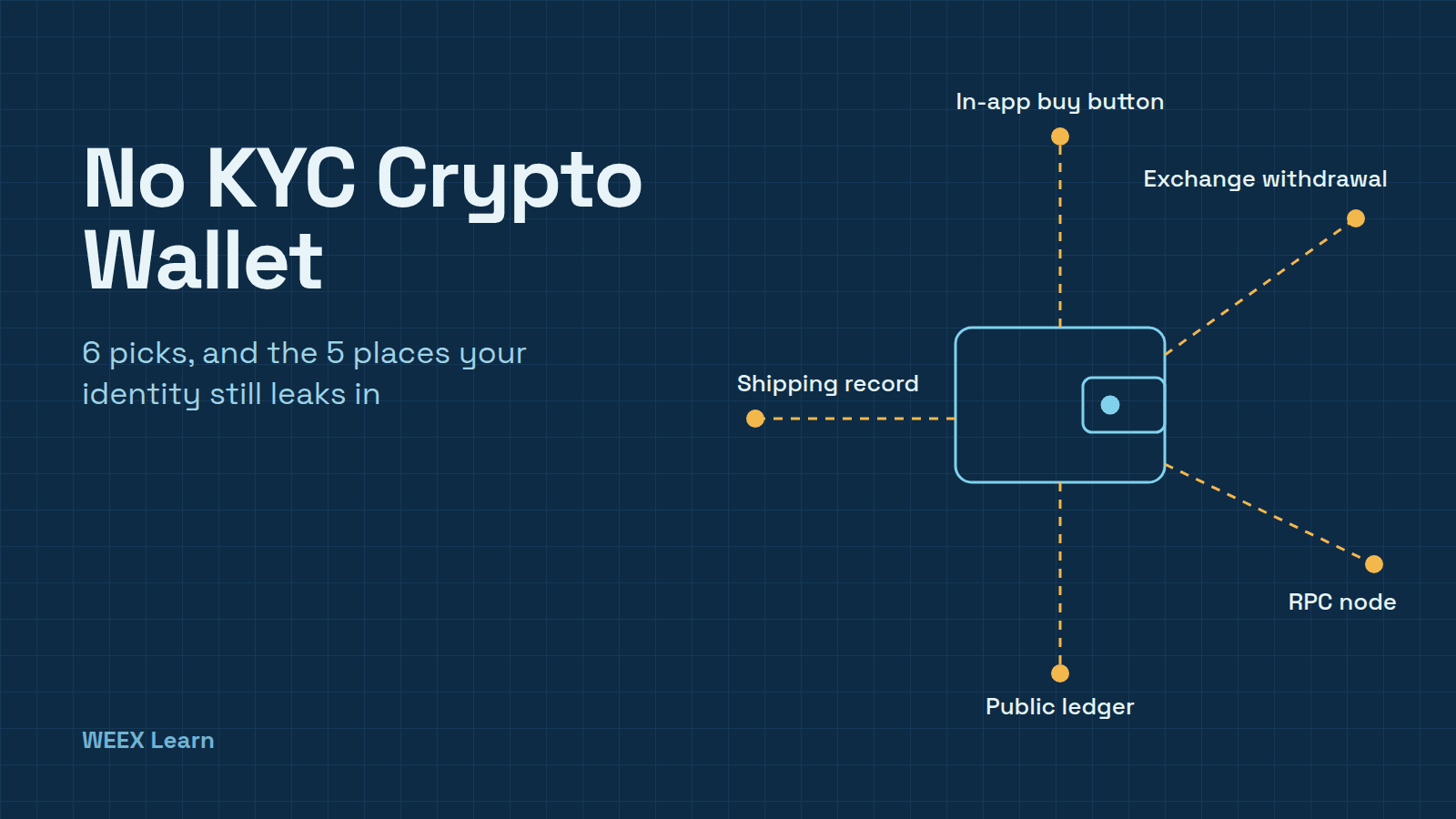
No KYC Crypto Wallet: 6 Picks and 5 Places Your ID Still Leaks
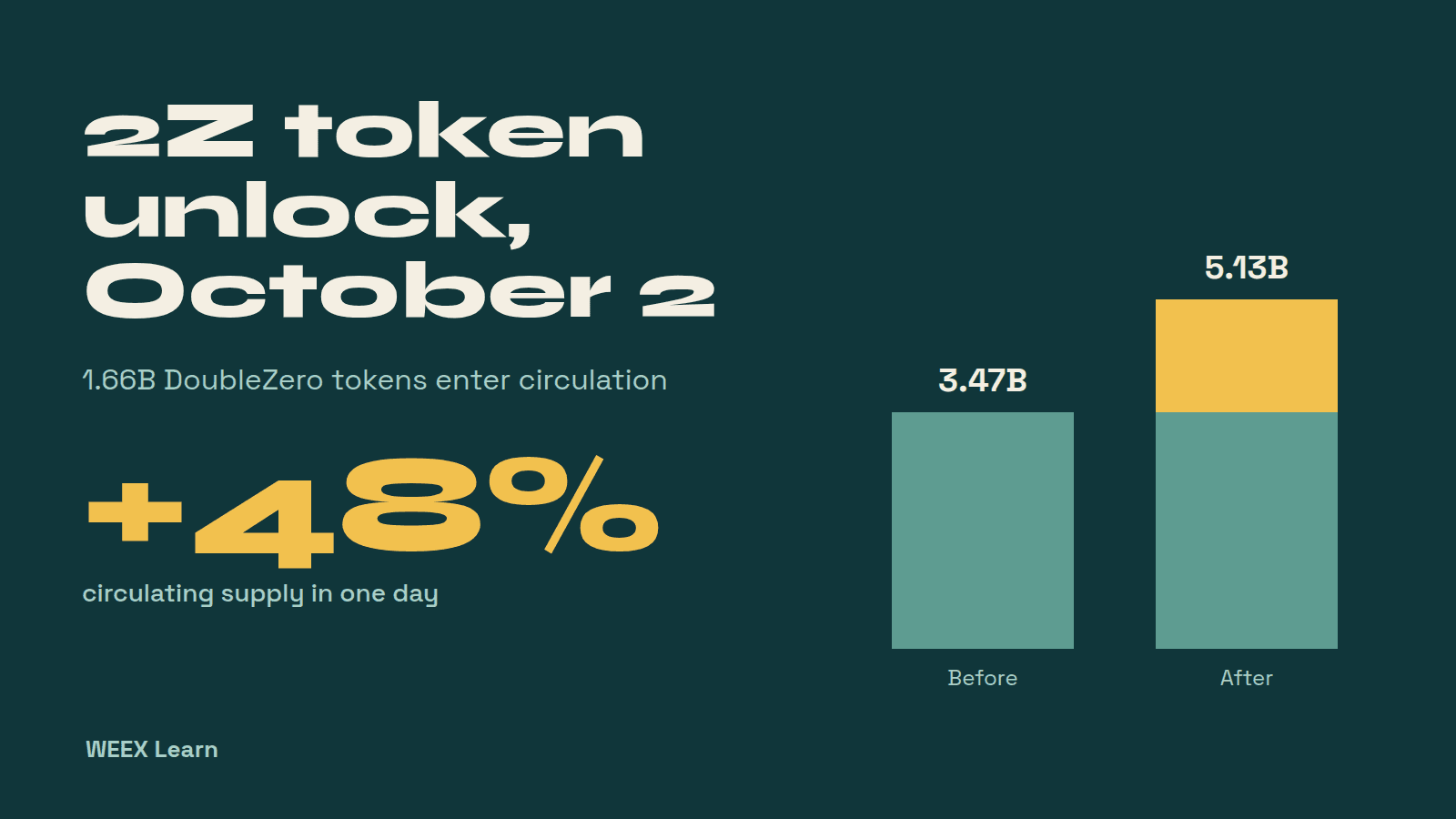
2Z Token Unlock on October 2: What 1.66B DoubleZero Tokens Mean

Best Decentralized Crypto Wallet for Beginners: What Self-Custody Really Asks of You

UNI Futures: How to Set Take-Profit and Stop-Loss After a 2x Run
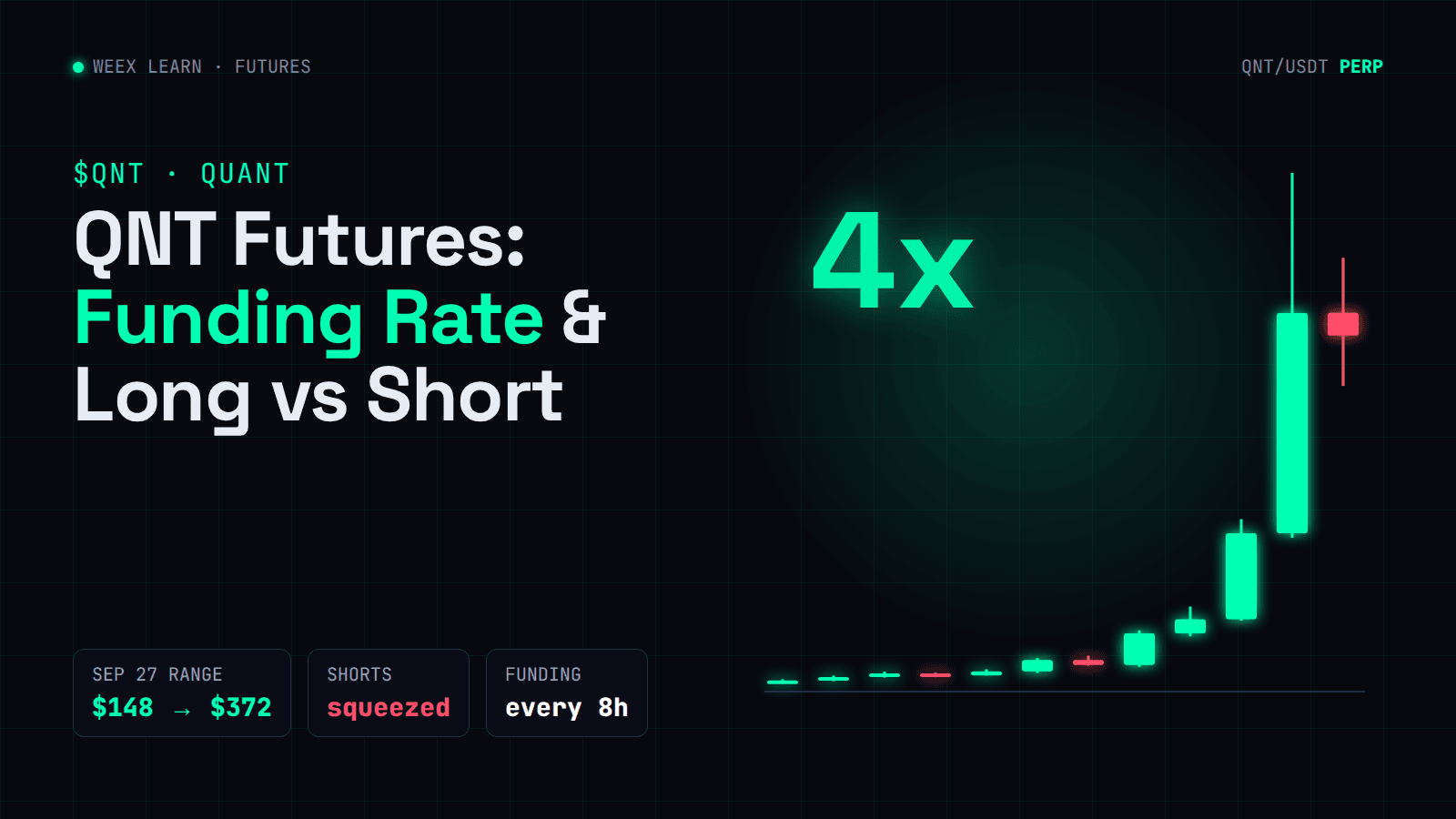
QNT Futures: Funding Rate and Long vs Short After a 4x Rally
Which Crypto to Buy for Beginners: A Simple 3-Tier Starter Plan

How to Get a Crypto Wallet: Pick, Set Up, and Fund It Safely
WEEX Quantitative Trading: How API Strategies Run in Practice

WEEX Strategy Trading: 4 Ways to Automate Your Crypto Trades
WEEX Grid Trading: When a Grid Strategy Works and When It Fails
WEEX Close Position Guide: Flash Close, Limit Close and TP/SL
WEEX Futures Trading: What 400x Leverage Really Costs You

Best Crypto Exchange for Beginners 2026: What Actually Matters When Choosing One
Bitcoin Short Squeeze Explained: Inside the $648M Sept 21 Wipeout

Best Crypto Cold Wallet 2026: Top Picks Matched to How You Hold
INJ Meridian Upgrade: What Activates Sept 24 and What to Watch
Phantom Wallet vs MetaMask: What's the Difference
How to Connect Phantom Wallet to a Solana DApp
How to Install and Set Up Phantom Wallet

What Is Phantom Wallet? A Complete Guide to the Solana Wallet
Funding Rate Crypto: What BTC and ETH Are Paying Right Now
Crypto Liquidation: The Exact Price That Wipes Out Your Position
INTC Stock Surged 14%: Intel Only Has Enough Chips for Half Its Clients
How to Buy Crypto with PayPal: The Custody Catch Most Beginners Miss
ENA Token Price Up 76% in a Month: The October 5 Unlock Test
QNT Price Near $295: Does the Bank Deal Justify a 4x Rally?
HBAR Price Spike and Reversal: Long, Short, and Stop-Loss Orders
QNT Futures After a 280% Rally: Leverage and Liquidation Math
XRP Upgrade Update: XRPL Batch Slips to Oct 9 and What Changes
Contents
Popular coins
Latest articles


