
U.S. Midterm Elections Just 30 Days Away: Cryptocurrency Industry Faces Dilemma

 Prefer us on Google


Coin Circle (120bTc.coM): The U.S. midterm elections have entered the final 30-day sprint. The voting results on November 3, Beijing time, will not only determine the political landscape of both the House and Senate but will also significantly influence the policy direction of the cryptocurrency industry for the next two years. Recent data from polling platform 270towin and prediction markets like Kalshi and Polymarket indicate that the probability of the Democratic Party regaining control of the House of Representatives is rising, while the Senate races are also showing a high level of competitiveness.
After the "Clarity for Digital Assets Act" (CLARITY Act) faced legislative hurdles last month, the cryptocurrency industry is closely monitoring federal regulatory developments. Congress plays a central role in this political game. The power structure of the next Congress will not only control the budget approval for key agencies such as the Securities and Exchange Commission (SEC), the Commodity Futures Trading Commission (CFTC), the Office of the Comptroller of the Currency (OCC), and the Department of the Treasury but will also directly determine the intensity and policy bias of these agencies' regulation of the cryptocurrency industry.
Cryptocurrency Tax Law on the Substantive Agenda
Patrick McHenry, a senior member of the House Financial Services Committee, pointed out that even if the election results do not meet Republican expectations, there is still a possibility of using the "lame-duck session" legislative window to force the CLARITY Act through, clarifying the interaction boundaries between regulatory agencies and the cryptocurrency industry.
In contrast, tax reform has been identified as a policy intersection for both parties. The draft "Cryptocurrency Tax Act" received bipartisan support and was smoothly passed by the House Ways and Means Committee last month, and Senator Steve Daines has also submitted a corresponding version of the bill to the Senate. This means that regardless of which party leads Congress after this midterm election, the compliance framework for cryptocurrency taxation will inevitably enter a substantive legislative phase by 2027.
Political Donations Reach a Peak
In terms of political capital operations, the cryptocurrency industry's funding input for this election has begun to show signs of fatigue. The Super Political Action Committee (Super PAC) Fairshake, funded by several leading cryptocurrency companies, and the Digital Freedom Fund, supported by Gemini co-founders, previously pledged to invest $30 million and $3 million respectively to intervene in key districts. However, as voting day approaches and media advertising prices soar, Fairshake has clearly stated that there are no plans for additional budget allocations, indicating that political investments from the industry may have reached a ceiling.
If the Democratic Party successfully flips the House, some cryptocurrency entities that were deeply tied to specific political factions in the early stages may face severe political backlash. These companies are likely to become targets of hearings, and even if substantial legal sanctions are not triggered, frequent compliance reviews and political pressure itself constitute significant operational risks for businesses.
-- Price
This content is provided for general informational purposes only and doesn't constitute financial, investment, legal, or tax advice. Any events, rewards, online promotions, or related information mentioned herein should not be considered a recommendation, solicitation, or invitation to purchase, sell, trade, or otherwise deal in any crypto assets. Crypto assets are highly volatile and may result in loss. The availability of WEEX services, products, and related events may vary by region. You are responsible for ensuring that your participation is in accordance with applicable local laws and regulations.
You may also like

Banks vs Crypto: US Banking Lobby Challenges Banking Charters in Court

a16z Unveils the Truth Behind AI Boom: The Top 1% Support the Entire AI Narrative
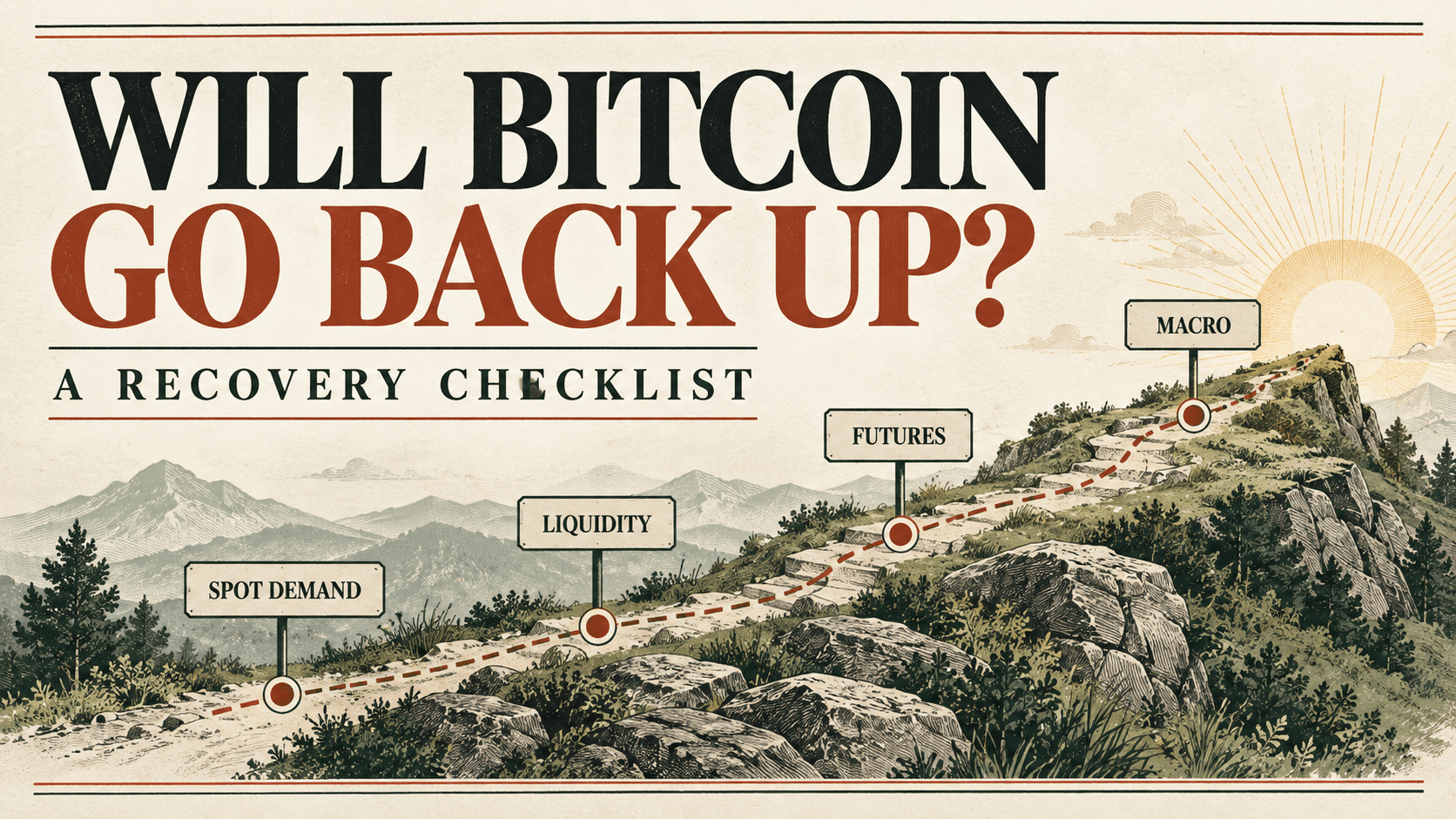
Will Bitcoin (BTC) Go Back Up in 2026? How to Tell a Real Recovery From a Short-Covering Bounce
Will Bitcoin go back up in 2026? Learn how spot demand, ETF flows, crypto liquidity, futures positioning and macro conditions shape a real BTC recovery.
Can You Live Only on Stablecoins? Industry Experts Respond with Yes or No

STONK Community Coins Share 33% of Meme Rewards With PENGU and USELESS Holders: How the Model Works
Stonk launched Community Coins on October 3, sending 33% of holder rewards from each community-mode meme launch to eligible holders of USELESS, PENGU, ZCAT, ANSEM and NEET. The STONK token itself is not one of those community coins, so its link to the new model is indirect.

Anchorage Digital Cuts 17% of Workforce Amid $42 Billion USDT Investment

Examining Hong Kong's RWA Tokenization from Issuance to Overseas Distribution
Consumer Interest in Stablecoins at 46% in Asia, but Only 16% Use Them

"A National Strategy Can Be Formulated in Six Months" - Policy Calendar Discussed by Masaki Hirakawa

Financing Weekly Report | Crypto Enterprise Banking Platform Limited Raises $18.5 Million in Seed Round; SoftBank Completes $10 Billion Third Round Investment in OpenAI

Survey of 2,423 Coin Investors: "What Do You Think About Taxation?"

SHIB Launched on Solana with Sunrise Integration

New Treasury rules could change how stablecoin issuers get your dollars back
India’s local crypto exchanges get just 0.7% of inflows, Chainalysis reports

Cash-and-carry: the yield we know before cashing it in

Bank of America Warns: Is the U.S. Stock Market Repeating the 2000 Dot-Com Bubble?

Inside the Life of Billionaire Zhao Changpeng
Inside CZ's Haven: Exploring the Life Behind the Most Powerful Figure in Crypto
Bitcoin vs Gold: A World Record for ETFs, 20 More Tons in China

Microsoft's Account Hacked to Promote Clippy Memecoin

Bitcoin Miners Sign Their Best Month Since January
Stablecoins may not drain banks of dollars but they can still make lending more expensive
How are real-world assets tokenized in Hong Kong?

Crypto Hacks: $1.26 Billion Stolen in Q3 While Bitcoin Rises 40%
Coinbase Expands Stablecoin Payment Collaboration with Citi

Four Signals Investors Should Watch as Midterm Elections Approach
Crypto: Investors Withdraw Their Bitcoin from Exchanges
Tommaso Gagliardoni: Skeptical Bitcoiners About Quantum 'Bury Their Heads in the Sand'

Polymarket: Bets on Bank Failures Spark Reactions in London

Competition Intensifies in Payment Networks for AI Agents
Banks vs Crypto: US Banking Lobby Challenges Banking Charters in Court
a16z Unveils the Truth Behind AI Boom: The Top 1% Support the Entire AI Narrative
Will Bitcoin (BTC) Go Back Up in 2026? How to Tell a Real Recovery From a Short-Covering Bounce
Will Bitcoin go back up in 2026? Learn how spot demand, ETF flows, crypto liquidity, futures positioning and macro conditions shape a real BTC recovery.
Can You Live Only on Stablecoins? Industry Experts Respond with Yes or No
STONK Community Coins Share 33% of Meme Rewards With PENGU and USELESS Holders: How the Model Works
Stonk launched Community Coins on October 3, sending 33% of holder rewards from each community-mode meme launch to eligible holders of USELESS, PENGU, ZCAT, ANSEM and NEET. The STONK token itself is not one of those community coins, so its link to the new model is indirect.
Anchorage Digital Cuts 17% of Workforce Amid $42 Billion USDT Investment





