

In-Depth Exploration of Pi Coin and Its Price After the Pi Network Mainnet Launch

The Pi Network’s Mainnet launch on February 20, 2025, marked a historic milestone for the project, transitioning it from a closed ecosystem to an open, decentralized network. After years of anticipation, Pioneers—the term for Pi Network’s users—finally gained the ability to trade Pi Coin on major exchanges. In this article, we explore the implications of the launch, Pi Coin’s price volatility, and what lies ahead for this ambitious cryptocurrency.
Understanding Pi Network and Pi Coin
Pi Network is a mobile-first blockchain project founded by Stanford graduates, designed to make cryptocurrency mining accessible via smartphones. Unlike energy-intensive proof-of-work systems, Pi uses a consensus algorithm that allows users to mine coins effortlessly with minimal energy consumption. Since its launch in 2019, the network has grown to over 50 million registered users, with 3.8 million active followers on social media—a community larger than Ethereum’s or Solana’s.
Pi Coin serves as the native currency of the Pi Network, rewarding users for contributing to the network’s security. For years, Pioneers mined Pi in a closed environment, but with the Mainnet launch, the coin has unlocked real-world utility, allowing for trading and broader adoption.
How Pi Network Works?
Pi Network operates via a mobile app, where users can mine Pi Coins by simply keeping the app running. The mining process requires minimal energy, making it eco-friendly compared to traditional mining methods like Proof-of-Work (PoW). This "tap-to-earn" model has attracted millions of users worldwide, creating a massive community of Pioneers.
Once users accumulate a sufficient amount of Pi, they can now move their coins to external wallets or exchanges, following the Mainnet launch. This transition from a closed testnet to an open mainnet introduces new functionalities such as the ability to create and use decentralized applications (dApps), further enhancing the utility of Pi Coin.
What Is the Pi Network Mainnet Launch?
The Mainnet launch marks Pi Network’s shift to full decentralization, bringing several key developments:
- External wallet transfers for Pioneers.
- Exchange listings (e.g., OKX, WEEX, Bitget).
- The ability to develop dApps across DeFi, gaming, and more.
To ensure legitimacy and prevent fraud, Pi enforced a strict KYC (Know Your Customer) verification process before the launch, validating millions of users. However, this requirement sparked debate within the community, as unverified users risked losing access to their mined coins.
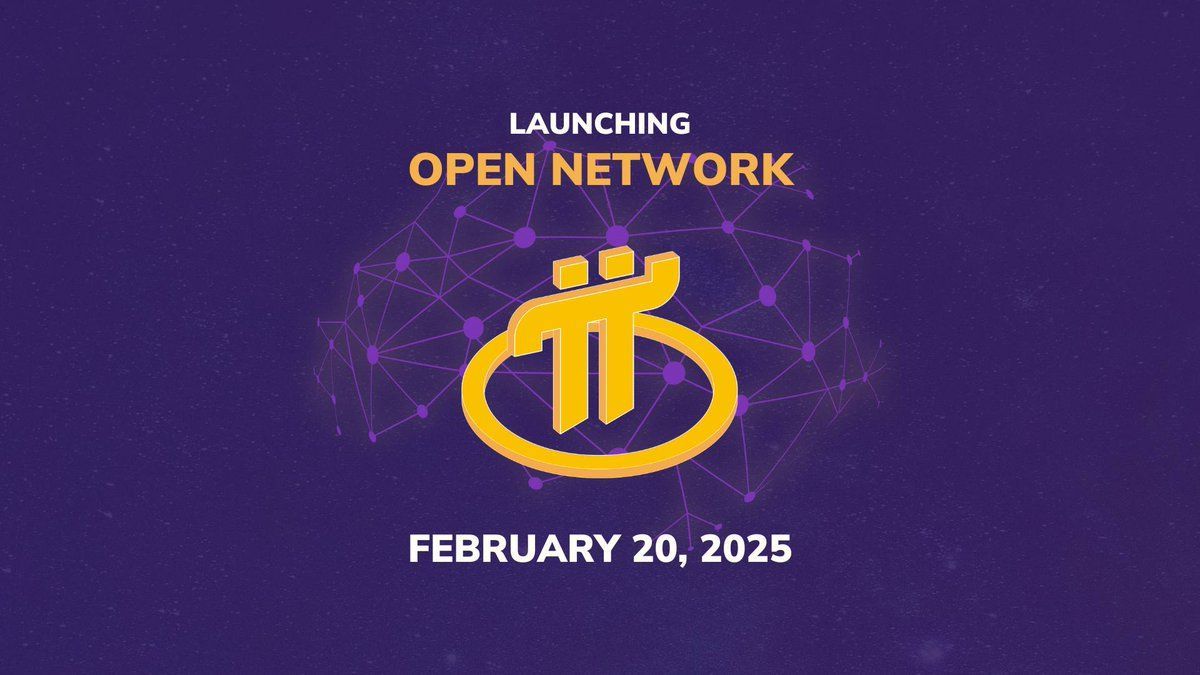
The Mainnet launch enables external wallet transfers, exchange listings, and the creation of dApps—paving the way for Pi Coin to become a fully integrated cryptocurrency in the market. But the question remains: Will Pi Coin integrate seamlessly into the crypto ecosystem, or will adoption challenges and liquidity issues hinder its progress?
The Impact of Pi Network Mainnet Launch on Pioneers
For Pioneers—Pi Network’s loyal users—the Mainnet launch is a momentous event. After years of mining Pi Coins at little to no cost, many early miners are eager to realize the value of their accumulated coins. This has generated both excitement and fear, as some Pioneers may choose to sell their coins in large quantities, potentially causing price volatility.
Indeed, the excitement around the launch led to a sell-off, with Pi Coin’s price dropping by 15% immediately after the launch. The sheer volume of coins in circulation, combined with the increased supply from miners cashing out, created downward pressure on the coin’s price. However, Pi’s large and engaged community, along with the increasing utility of the coin, may support its long-term value.
Pi Coin Price Changes Post-Launch
Pi Coin's price after the Mainnet launch experienced extreme volatility:
- Initial Surge: Within the first hour, the price rose by 36.8%, reaching $1.97.
- Sharp Decline: Pi then dropped sharply, with exchanges like Bybit seeing prices fall below $1, while platforms like OKX and Bitget stabilized around $1.50.
- IOU Token Collapse: Pre-launch IOU tokens, once valued at $60-$70, saw a dramatic 97% crash as real trading began.

This price fluctuation is attributed to a mix of hype-driven speculation, early sell-offs, and the massive token supply. Technical indicators, including RSI and support levels, suggest that further price corrections may occur before the coin stabilizes.
Pi Coin Price Stability: Current Trends and Volatility
Despite its early volatility, Pi Coin has remained in the $1 to $2 range post-launch, with the potential for further price fluctuations in the coming weeks. Some early miners and investors have opted to cash out their holdings for profit, while others are holding onto their coins in the hopes of future appreciation.
Market analysts predict that Pi Coin will likely continue to experience price swings as more exchanges list the coin and speculation around its future potential intensifies. With over 100 billion tokens in total supply and only around 9.7 billion Pi Coins in circulation, the gradual release of tokens could weigh on its price in the near term.
A common question circulating among Pi Network enthusiasts is whether Pi Coin can achieve astronomical prices like $100 or even $500. While this would be a remarkable feat, achieving such high prices would require several factors:
- Widespread Adoption: Pi Coin needs to gain real-world utility and integrate into multiple industries such as DeFi, gaming, and e-commerce.
- Strong Demand and Liquidity: The price of Pi Coin is heavily influenced by demand. Increased liquidity through major exchange listings could help stabilize the price.
- Regulatory Challenges: As Pi gains global attention, it may face regulatory hurdles in various jurisdictions, which could affect its adoption and price.
Realistically, breaking $100 or $500 would require unprecedented adoption and market dynamics. While it’s possible in the long term, experts caution that such price milestones are unlikely in the near future.
Pi Coin Listed on WEEX with PI/USDT Trading Pair
Pi Coin has been officially listed on WEEX, offering users the opportunity to trade Pi Coin via the PI/USDT trading pair. The listing marks a crucial step for Pi’s expansion in the crypto market.

- Deposit: TBD
- Trading Starts: February 20, 2025, 08:00 (UTC+0)
- Withdrawal: TBD
- Spot Trading Link: PI/USDT
How to Buy Pi Coins After the Mainnet Launch?
With Pi Coin now available on various exchanges, including WEEX, users can begin trading Pi with the PI/USDT pair. Here’s a quick guide on how to buy Pi Coin post-launch:
- Create an Account: Sign up on exchanges like WEEX to access Pi Coin trading.
- Complete KYC: Complete the KYC process on your chosen exchange to verify your identity and unlock trading.
- Deposit Funds: Once verified, deposit your desired funds into your exchange account.
- Buy Pi Coin: Navigate to the Pi/USDT trading pair to purchase Pi Coin at the current market price.
The Pi Network Mainnet launch has sparked significant price volatility for Pi Coin, but the journey for this ambitious cryptocurrency has just begun. As Pi Coin transitions from a closed network to an open, decentralized ecosystem, its price will continue to be influenced by factors such as market adoption, utility, and community sentiment. While it may take time for Pi Coin to stabilize and gain mass adoption, its large community, eco-friendly mining model, and increasing real-world applications give it the potential to evolve into a major player in the cryptocurrency space. However, as always, prospective investors should approach with caution, keeping an eye on market trends and regulatory developments.
Latest WXT Token News on WEEX
WEEX Exchange’s WXT Token Surges 101%
If you want to buy WXT now, you can sign up for a WEEX account.
You may also like
What is SATO (SATOETH) Coin: A Comprehensive Guide to This Ethereum-Based Tribute Token
SATO (SATOETH) is an innovative Ethereum-native token designed as a code-first experiment paying tribute to Bitcoin’s iconic 21…
What is SATOETH (SATO) Coin
SATOETH (SATO) is an innovative Ethereum-based token that pays homage to Bitcoin’s iconic 21 million supply cap through…
What is 熊猫头(熊猫头) Coin: Comprehensive Guide to This Viral Meme Token
熊猫头(熊猫头) Coin has captured attention in the crypto world as a meme token inspired by adorable panda-themed content…

What is NEM?
Key Takeaways: NEM is an interoperable blockchain platform launched in 2015, known for simplifying cross-chain interactions. The Smart…

What is BABYASTEROID (Baby Asteroid) Coin?
BABYASTEROID, also known as Baby Asteroid, is a whimsical meme token designed to capture the playful nature of…
What Are the WXT Rewards? Earning Through Trading and Holding
If you’re diving into the world of crypto and wondering what WXT rewards entail, this article breaks it…

What is SKYAI (SKYAI) Coin?
SKYAI, with the token ticker SKYAI, marks a significant advancement in the crypto and artificial intelligence spheres by…
GMAR Coin: Next 10X Crypto Play Before Dump in May 2026?
GMAR Coin has caught the eye of many in the crypto space as a narrative-driven token on the…
Is WXT Free to Use? Trade to Earn Insights
Many crypto beginners wonder if tokens like WXT come without costs, especially when opportunities like trade to earn…

What is Global Military Arms Reserve (GMAR Coin)?
Global Military Arms Reserve (GMAR Coin) is a new, highly speculative token that packages the narrative of global…

How Secure Is WXT? Exploring WEEX Token’s Safety Features
When you’re considering investing in cryptocurrencies like WXT, the native token of the WEEX exchange, security often tops…
SKYAI Airdrop: Share 30,000 USDT with 0-Fee Trading Rewards
Crypto markets often buzz with opportunities like airdrops that reward participants for simple actions, and the SKYAI airdrop…
What Are the Benefits of WXT? Hold for Free Airdrops and More
If you’re exploring the crypto world, WXT, the native token of the WEEX exchange, offers practical advantages that…

Introducing SKYAI ($SKYAI): MCP-Powered AI Data Infrastructure and Price Prediction
Introducing SKYAI ($SKYAI): MCP-Powered AI Data Infrastructure and Price Prediction

Siren Coin Price Prediction & Forecasts for May 2026: Surging 23.54% in 24 Hours
As of May 4, 2026, Siren (SIREN) is trading at $0.845804 USD, with a 24-hour trading volume of…

SKYAI Coin Price Prediction & Forecasts for May 2026: Surging 36% – Can It Maintain the Momentum?
SKYAI Coin has been turning heads in the crypto space with its recent surge, climbing 36.46% in just…
Terra Classic (LUNC) Coin Price Prediction & Forecasts for May 2026: Surging 9.44% Amid Recovery Signals
Terra Classic (LUNC) has been in the spotlight again after its turbulent history, including the 2022 UST collapse…
GMAR Coin Price Prediction & Forecasts: Could It Surge 50% in May 2026 Amid Geopolitical Hype?
As of May 4, 2026, GMAR Coin is trading at approximately $0.04625 USD, according to data from CoinMarketCap.…
What is SATO (SATOETH) Coin: A Comprehensive Guide to This Ethereum-Based Tribute Token
SATO (SATOETH) is an innovative Ethereum-native token designed as a code-first experiment paying tribute to Bitcoin’s iconic 21…
What is SATOETH (SATO) Coin
SATOETH (SATO) is an innovative Ethereum-based token that pays homage to Bitcoin’s iconic 21 million supply cap through…
What is 熊猫头(熊猫头) Coin: Comprehensive Guide to This Viral Meme Token
熊猫头(熊猫头) Coin has captured attention in the crypto world as a meme token inspired by adorable panda-themed content…
What is NEM?
Key Takeaways: NEM is an interoperable blockchain platform launched in 2015, known for simplifying cross-chain interactions. The Smart…
What is BABYASTEROID (Baby Asteroid) Coin?
BABYASTEROID, also known as Baby Asteroid, is a whimsical meme token designed to capture the playful nature of…
What Are the WXT Rewards? Earning Through Trading and Holding
If you’re diving into the world of crypto and wondering what WXT rewards entail, this article breaks it…


