

How to Buy Russian Oil Asset Reserve (ROAR) Crypto: 2026 Step-by-Step Guide

A memecoin that borrows the language of sovereign wealth and energy markets does not appear every day. Russian Oil Asset Reserve (ROAR) does exactly that. It launched on Solana in April 2026 and quickly drew attention from traders looking for the next narrative-driven opportunity.
But before you learn how to buy Russian Oil Asset Reserve (ROAR) crypto, it is important to understand what this token actually is. This guide will walk you through everything you need to know, from the basics of ROAR to a complete step-by-step buying process, plus the risks you should never ignore.
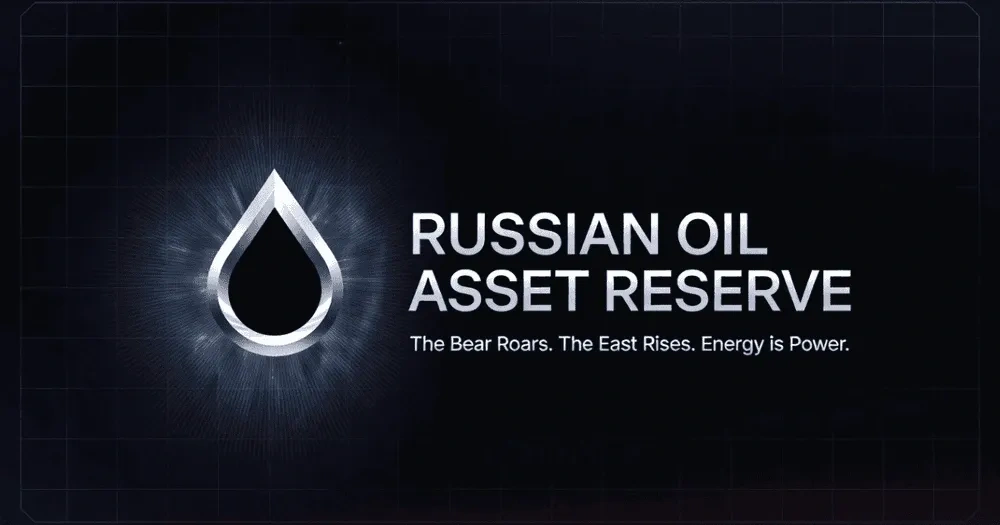
What Is Russian Oil Asset Reserve (ROAR)?
Russian Oil Asset Reserve (ROAR) is a Solana-based meme coin built around an energy and geopolitical narrative. It uses Solana’s Token-2022 standard and has a fixed maximum supply of 1 billion tokens with 6 decimal precision. The mint authority has been revoked, which means the total supply cannot be increased after deployment.
Despite its name, ROAR does not represent ownership of oil reserves or any form of tokenized exposure to physical commodities. There is no audited backing, custodial infrastructure, or verifiable connection to Russian energy assets. Instead, the project relies on narrative positioning, referencing global oil markets and geopolitical influence to attract attention.
In practice, this places Russian Oil Asset Reserve (ROAR) crypto in the same category as other narrative-driven tokens where value is driven by perception rather than underlying assets.
Where Can You Buy Russian Oil Asset Reserve (ROAR)?
Before diving into how to buy Russian Oil Asset Reserve (ROAR), you need to know where it is available. ROAR is not listed on major centralized exchanges like Binance or Coinbase. Trading takes place primarily on Solana-based decentralized exchanges (DEXs).
The most active trading environment has been on Meteora, with ROAR typically paired against USDC or SOL. Additional routing is available through aggregators like Jupiter. Liquidity remains limited, often in the tens of thousands of dollars, which means trade size can have a direct impact on price execution.
How to Buy Russian Oil Asset Reserve (ROAR) Crypto: Step-by-Step
How to buy Russian Oil Asset Reserve (ROAR) crypto is different from purchasing large-cap cryptocurrencies like Bitcoin or Ethereum. Since ROAR trades primarily within the Solana ecosystem, the process involves using a non-custodial wallet and interacting with decentralized exchanges.
Follow these seven steps carefully.
Step 1: Set Up a Solana Wallet
Download and install a Solana-compatible wallet. Create a new wallet and store your recovery phrase securely offline. This phrase is essential for restoring access if your device is lost or compromised. Never share it with anyone.
Step 2: Buy SOL or USDC on a Centralized Exchange
To buy ROAR, you need SOL or USDC as the base asset for trading. Purchase these tokens on a centralized exchange such as WEEX. SOL is often the most convenient choice because it is the native token of the Solana network.
Step 3: Transfer Funds to Your Solana Wallet
Withdraw your SOL or USDC from the exchange to your Solana wallet address. Confirm that the Solana network is selected during withdrawal to avoid sending funds to the wrong chain. Double-check the wallet address before confirming the transaction.
Step 4: Connect Your Wallet to a Decentralized Exchange
Access a Solana DEX such as Meteora or use an aggregator like Jupiter. Click “Connect Wallet” and select your wallet provider. Once connected, your token balance will be visible in the interface.
Step 5: Find the Correct ROAR Token Address
Search for ROAR within the DEX interface. Because meme coins often have copycat tokens, it is critical to verify that you are selecting the correct asset. Use the official contract address from trusted sources.
Official ROAR Token Address: RoARruzbesVGAZgCzSoQCEdyVWytvzLbyNaxXBF7dnF
Always verify this address before any transaction. Fake tokens with similar names are common.
Step 6: Swap SOL or USDC for ROAR
Enter the amount of SOL or USDC you want to trade. The platform will display an estimated amount of ROAR you will receive. Due to limited liquidity, set slippage tolerance appropriately, typically between 1 percent and 5 percent. Confirm the swap and approve the transaction in your wallet.
Step 7: Confirm and Store Your Tokens
After the transaction is completed, ROAR will appear in your wallet. If it does not display automatically, you can add it manually using the contract address. You can keep the tokens in your wallet or move them to a more secure setup such as a hardware wallet for long-term storage.
Basic Safety Considerations When You Buy ROAR
Before you complete any transaction, keep these safety tips in mind.
- Verify the token contract address before every transaction to avoid fake listings
- Start with a small test trade before committing larger amounts
- Be mindful of slippage and price impact in low-liquidity pools
- Use only trusted DEX interfaces and avoid unknown links
- Never share your wallet recovery phrase with anyone
- Double-check the network (Solana) when withdrawing from centralized exchanges
Should I Buy Russian Oil Asset Reserve (ROAR) Crypto
Understanding the risks is just as important as knowing how to buy ROAR crypto. ROAR has no verified backing, no revenue model, and no clear utility. Its price depends almost entirely on market sentiment and liquidity. Despite its name, ROAR is not linked to real oil reserves or any physical commodity.
Low liquidity and high volatility are major concerns. Limited pool depth can lead to high slippage and difficulty exiting positions. Prices can rise or fall rapidly, and sharp drawdowns are common. The lack of a widely recognized audit and an anonymous team add further uncertainty.
Russian-themed branding may trigger regulatory scrutiny on some platforms. Price is driven by hype cycles rather than fundamentals, and sentiment can change quickly. These factors make ROAR suitable only for high-risk, speculative exposure, not long-term investment.
Is ROAR a Good Investment?
ROAR does not meet the criteria of a traditional investment asset. It has no verified linkage to real-world oil reserves, no revenue-generating mechanism, and no clear utility within a broader protocol ecosystem. While its branding suggests exposure to energy markets, there is no evidence supporting that claim.
From a risk perspective, ROAR operates in the high-volatility, micro-cap segment of the market. Liquidity is limited and concentrated in a small number of decentralized exchange pools. The absence of a publicly known team adds another layer of uncertainty.
In practice, ROAR behaves more like a speculative trading instrument than a long-term investment. Outcomes depend heavily on timing and market momentum rather than underlying fundamentals.
Conclusion
Russian Oil Asset Reserve (ROAR) is a reminder of how powerful narrative can be in crypto markets. A name that suggests sovereign wealth and energy dominance can attract attention quickly. But in practice, the token functions like any other speculative memecoin on Solana. It offers no direct link to oil reserves or real-world assets.
For market participants, the key is not just knowing how to buy Russian Oil Asset Reserve (ROAR) crypto, but understanding what it represents. Access is straightforward through wallets and decentralized exchanges, yet the risks are equally clear. Limited liquidity, sharp volatility, and the absence of fundamentals mean outcomes can change quickly.
Approach ROAR with caution, clear expectations, and disciplined risk management. That is essential in a market where narrative often moves faster than reality.
Ready to trade? WEEX offers zero fees, instant execution, and the security you need. Sign up on WEEX Now and Start Trading!
FAQ
What is Russian Oil Asset Reserve (ROAR)?
ROAR is a Solana-based meme coin that launched in April 2026. It uses an energy and geopolitical narrative but has no verified backing from physical oil reserves or any government entity.
Where can I buy Russian Oil Asset Reserve (ROAR) crypto?
ROAR is not listed on major centralized exchanges. It trades primarily on Solana-based decentralized exchanges like Meteora, with additional routing available through Jupiter aggregator.
What is the official ROAR contract address?
The official contract address is: RoARruzbesVGAZgCzSoQCEdyVWytvzLbyNaxXBF7dnF. Always verify this address before trading to avoid fake tokens.
Is ROAR backed by real oil reserves?
No. Despite its name, ROAR has no verified linkage to physical oil reserves, custodial infrastructure, or Russian energy assets. The backing is narrative-based only.
Is ROAR a good long-term investment?
For most investors, no. ROAR has no revenue model, no clear utility, and high volatility. It is best understood as a speculative trading instrument rather than a long-term investment.
You may also like
Solana vs Ethereum: High-Speed Blockchain or Ecosystem Giant?
Solana is a fast, low-fee blockchain focused on performance, while Ethereum is a leading smart contract ecosystem focused on security, decentralization, and long-term network effects.

ROAF vs ROAR: Which Has More Potential in 2026?
ROAF vs ROAR breakdown. One is narrative-driven. The other claims asset structure. Neither is backed by real oil. Read this before you buy.
DOGE vs SHIB: The Meme Coin Battle Between Stability and Explosive Growth
Dogecoin (DOGE) and Shiba Inu (SHIB) represent two different paths in the meme coin sector.
DOGE is the original meme coin, valued for its strong liquidity, long market history, and stable position across multiple crypto cycles. It behaves more like a sentiment-driven, large-cap asset with relatively smoother price movements.
SHIB, on the other hand, is a newer, ecosystem-focused token built on Ethereum, expanding through initiatives like Shibarium and DeFi products. Its price action is more volatile and heavily driven by narrative and ecosystem developments.
In simple terms:
DOGE = stability, liquidity, and mature meme assetSHIB = higher risk, higher volatility, and ecosystem growth potentialOverall, DOGE is typically preferred for more stable trading exposure, while SHIB attracts traders seeking aggressive, high-risk opportunities tied to narrative momentum.

MIRROR USDT Premiere on WEEX: Mirror (MIRROR) Listing
WEEX Exchange is thrilled to announce the exclusive premiere listing of Mirror (MIRROR) Coin, marking the world’s first…
NOT Token Price: Is Notcoin Cheap or Still Risky?
Track the NOT token price, Notcoin market cap, supply, chart risks, TON ecosystem catalysts, and whether NOT can recover.

Sandisk Stock: Why SNDK Is Surging and What Investors Should Watch
Sandisk stock has soared on AI storage demand, NAND pricing, and strong earnings. Here is what SNDK investors should watch next
Can Global Overwatch Protocol (GOP) Coin Reach $1? Full Guide 2026
Can GOP realistically hit $1?
What Is Middle Eastern Gas Reserve (MEGR) Coin?
Is MEGR crypto really backed by 1.42 Tcm gas? We break down MEGR tokenomics, roadmap risks, and how to verify claims before buying. No fluff.
AMD Stock in May: Is the AI Rally Still Worth Chasing?
AMD stock is trading near record levels after strong AI demand. Review Q1 2026 earnings, valuation, analyst targets, and major risks.

Introducing Circle Internet Group Tokenized Stock (Ondo) ($CRCLon): Onchain Circle Exposure and Price Prediction
CRCLon is Ondo's tokenized Circle stock wrapper, drawing attention with onchain equity access, fast narrative rotation, and direct exposure to the CRCL story.

Introducing Billions Network ($BILL): Human and AI Verification Infrastructure and Price Prediction
Billions Network is a human-and-AI trust layer drawing attention after its token launch, live exchange trading, and utility-driven identity narrative.

WEEX Futures Unveils BILL USDT for Billions Network (BILL) Coin
WEEX Exchange is thrilled to announce the listing of the BILL USDT perpetual contract, opening new trading opportunities…

What is Apple (APPLE) Coin?
Apple (APPLE) recently became a trending topic in the crypto community following its listing on WEEX Exchange. This…
Is Billions Network (BILL) a Good Investment in May 2026?
Billions Network (BILL) has caught the eye of many crypto investors this May 2026, with its recent price…

BILL Crypto Airdrop: Unlock 30,000 USDT Rewards and Zero-Fee Trading
Billions Network’s BILL token is making waves in the crypto space with its latest airdrop event, offering participants…

Billions Network (BILL) Coin Price Prediction & Forecasts for May 2026: Surging 36% – Can It Hold the Momentum?
Billions Network (BILL) Coin has been turning heads in the crypto space with its impressive 35.96% surge over…
Apple (APPLE) Price Prediction & Forecasts for May 2026: Surging 20% Amid Meme Token Buzz
As of May 5, 2026, Apple (APPLE) stands at $0.00129 USD, reflecting a solid 20.66% gain over the…
XRP vs Cardano: Which Is the Better Investment in 2026?
XRP is the institutional-grade settlement layer for banks; Cardano is the decentralized smart contract platform for dApps and digital identity
XRP benefits from regulatory clarity and spot ETF inflows; Cardano offers higher asymmetric upside for those believing in decentralized governance
XRP has deeper liquidity for day trading; ADA offers more explosive moves for swing traders
Trade both XRP/USDT and ADA/USDT on WEEX with low fees
Solana vs Ethereum: High-Speed Blockchain or Ecosystem Giant?
Solana is a fast, low-fee blockchain focused on performance, while Ethereum is a leading smart contract ecosystem focused on security, decentralization, and long-term network effects.
ROAF vs ROAR: Which Has More Potential in 2026?
ROAF vs ROAR breakdown. One is narrative-driven. The other claims asset structure. Neither is backed by real oil. Read this before you buy.
DOGE vs SHIB: The Meme Coin Battle Between Stability and Explosive Growth
Dogecoin (DOGE) and Shiba Inu (SHIB) represent two different paths in the meme coin sector.
DOGE is the original meme coin, valued for its strong liquidity, long market history, and stable position across multiple crypto cycles. It behaves more like a sentiment-driven, large-cap asset with relatively smoother price movements.
SHIB, on the other hand, is a newer, ecosystem-focused token built on Ethereum, expanding through initiatives like Shibarium and DeFi products. Its price action is more volatile and heavily driven by narrative and ecosystem developments.
In simple terms:
DOGE = stability, liquidity, and mature meme assetSHIB = higher risk, higher volatility, and ecosystem growth potentialOverall, DOGE is typically preferred for more stable trading exposure, while SHIB attracts traders seeking aggressive, high-risk opportunities tied to narrative momentum.
MIRROR USDT Premiere on WEEX: Mirror (MIRROR) Listing
WEEX Exchange is thrilled to announce the exclusive premiere listing of Mirror (MIRROR) Coin, marking the world’s first…
NOT Token Price: Is Notcoin Cheap or Still Risky?
Track the NOT token price, Notcoin market cap, supply, chart risks, TON ecosystem catalysts, and whether NOT can recover.
Sandisk Stock: Why SNDK Is Surging and What Investors Should Watch
Sandisk stock has soared on AI storage demand, NAND pricing, and strong earnings. Here is what SNDK investors should watch next


