
- Buy Crypto
- Markets
 Futures
- Spot
- Copy Trade
 Earn
Earn- More
From Decentralized Utopia to Speculator's Den, Why Has Capital Become the Ruler of Web3?

Original Article Title: Capitalism is killing the soul of web3 everyday
Original Article Author: hmalviya9, Founder of @dyorcryptoapp
Original Article Translation: Translated by Deep
Editor's Note: The article explores the process of Web3's decentralized ideal being gradually eroded by capitalism: initially established by freedom-seeking pioneers, Web3 attracted capitalists due to scarce block space like Bitcoin, then the expansion of new territories like Ethereum and technologies like Layer-2 caused block space to become saturated and value to decline; despite new lands emerging continuously, Web2 users hesitate to migrate due to complexity and risks, while exchanges, market makers, and other major players profit by manipulating the market, ultimately leading Web3 astray from its original purpose and becoming a capital-driven speculative playground.
Below is the original article content (restructured for better readability):
We inhabit two digital planets: Web2 and Web3.
The Web3 planet is quite novel — initially established by pioneers who believed in decentralization, freedom, and self-governance. In its early days, this was a wild, uncharted land with no rulers, only builders.
However, a bridge between Web2 and Web3 was later established. Initially, only a few capitalists from Web2 arrived, drawn by the raw potential of this new world. They stood on the sidelines, observing, analyzing the terrain, understanding the rules, identifying the most valuable territories.
The first large-scale colonization wave began with Bitcoin — the most precious nation on the Web3 island. This was scarce land with clear ownership, where power belonged to those who understood its fundamental principles.
But once the initial settlers took control and accumulated wealth, they began to expand. They realized that Web3 was more than just Bitcoin. There was vast uncharted land waiting to be shaped. Soon, they moved beyond Bitcoin, establishing new territories — Ethereum, Solana, Polkadot, and countless others.
As more land was discovered, the race to claim new nations intensified. Initially, block space was scarce. The earliest blockchains operated under strict constraints — each transaction required space, and space was limited. This scarcity gave block space immense value. Owning a small piece of block space meant having a place in the new digital economy. However, with increased competition, innovation followed.
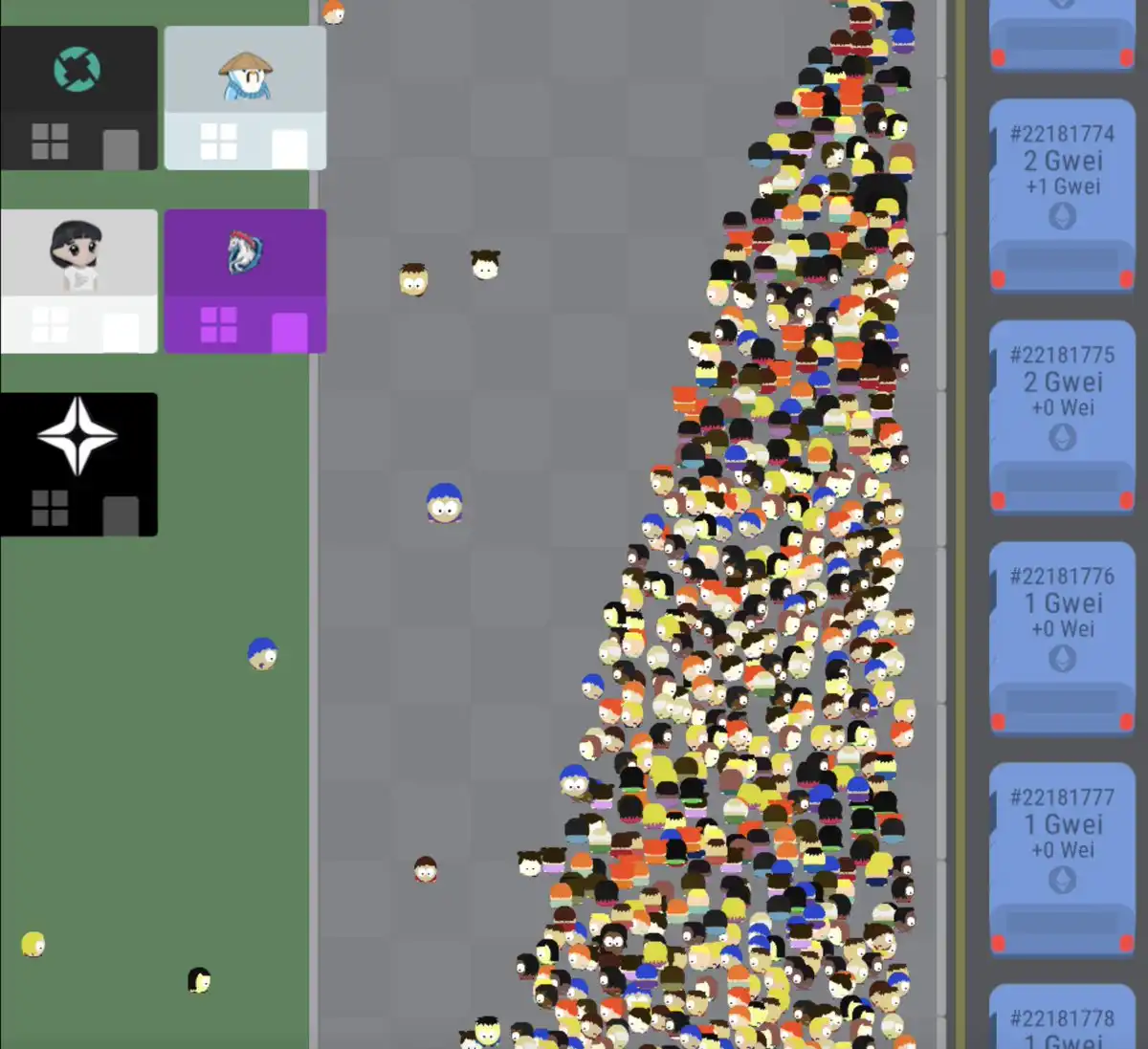
Ethereum Transaction Visualization
More efficient ways of creating block space emerged. Layer 2 solutions, Rollups, sidechains — each brought vast new lands to the Web3 planet. Goods that were once scarce became abundant.
Builders no longer fight for limited space; instead, they have created endless new land to meet the growing settlement demand. However, the proliferation of block space has brought unforeseen consequences.
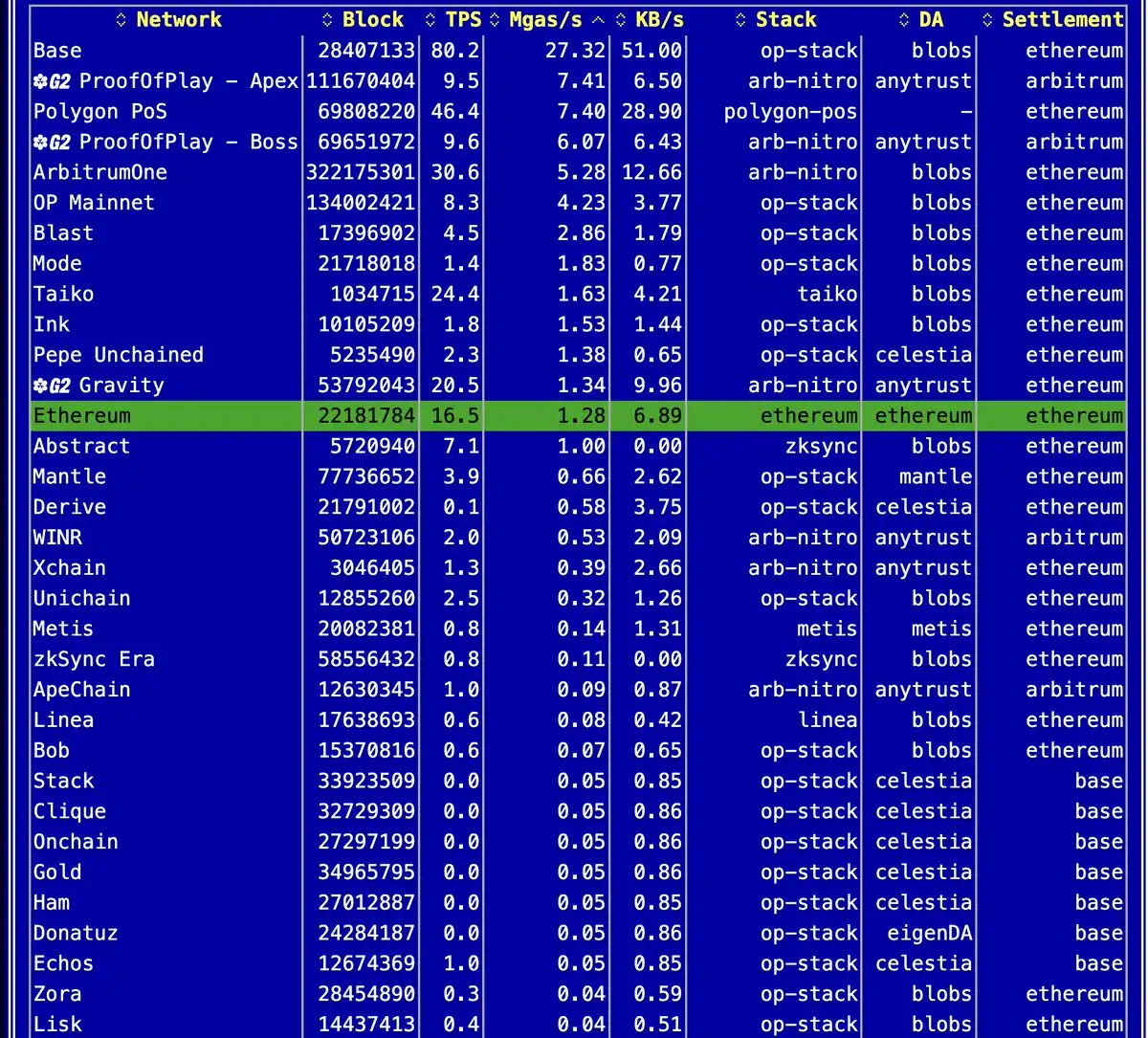
Image Source: rollup.wtf
Once valuable things have become cheap. The cost of storing transactions — once a key economic force — has plummeted. The promise of cheap block space has attracted millions of Web2 settlers, but reality has proven otherwise.
People from Web2 hesitated.
They heard stories of adventurers entering Web3, lured by the promise of wealth, only to be devoured by predators. Some Web2 residents did take the step, drawn to the legend of overnight riches.
They entered Web3, hoping to carve out a place in the new economy. Many started by purchasing small plots of land — various tokens, each promising future value. They traded, speculated, and started businesses, believing they were in the early days of the next great revolution.
But they did not realize that Web3 had long been structured by the earliest settlers and the most powerful capitalists. While the rules of the game were not explicitly stated, those who controlled this land knew it well. As more Web2 people moved in, they unwittingly found themselves in a predicament. The complexity of Web3 is daunting.

There are too many new nations, each with its own rules, and scams disguised as opportunities abound. The big players control the flow of information, manipulate the market, inflate values, and pull the rug out from under unsuspecting settlers' feet.
The Web3 world has become a playground for those who know how to extract wealth from the ignorant. Even though block space is cheaper than ever, adoption remains slow. The dream of a mass migration from Web2 to Web3 is crumbling.
The new land promised a seamless user experience but never reached the level of familiarity and convenience that Web2 offered. The additional promise of quick rewards is not enough to impress people — Web2 individuals have seen too many compatriots get burned.
They watched as entire nations in Web3 rose and fell overnight, wealth changing hands in the blink of an eye. Ordinary people hesitated, unable to see through the chaos. However, in the turmoil, a thriving marketplace emerged.
Web3's real estate — tokens — became the lifeblood of its economy. Everything is up for sale. Every nation has its own assets, unique value, and promises for the future. The trading floor never closes, driven by speculation, manipulation, and greed.
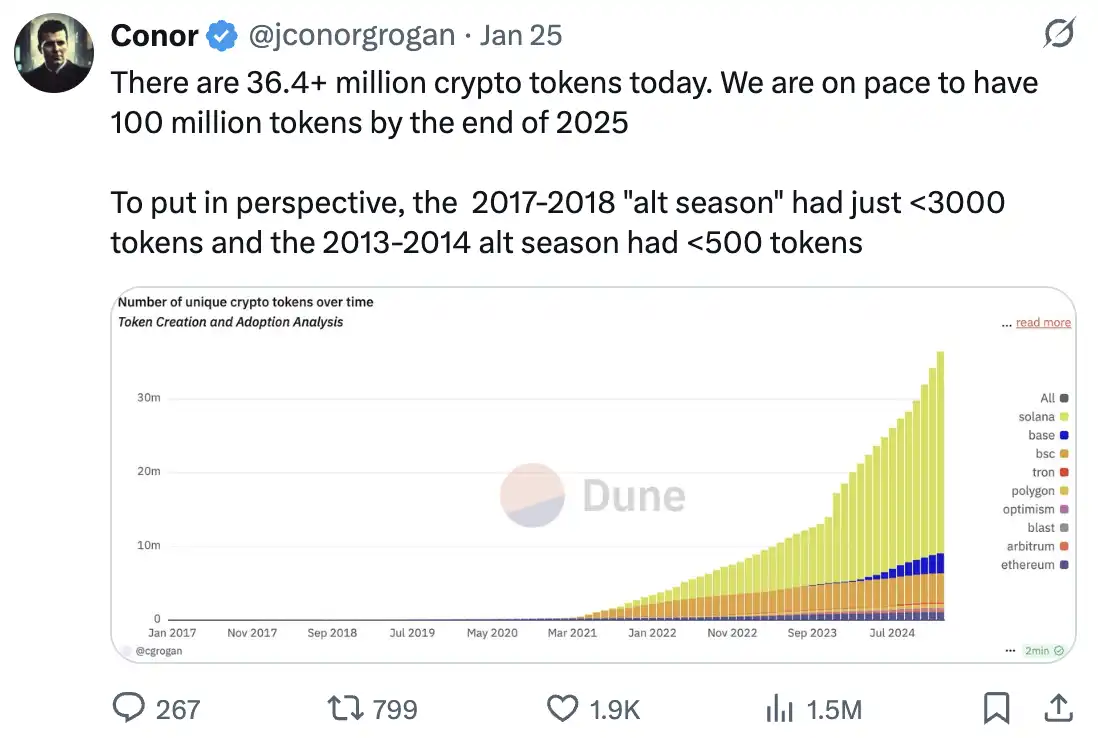
Some countries experience temporary prosperity, only to decline as attention shifts. New land is minted daily, sold to the highest bidder for a quick flip profit. The cycle continues endlessly. And as settlers struggle, the true beneficiaries of Web3 thrive.
Bridge operators — exchanges — act as gatekeepers, controlling the flow of assets between Web2 and Web3.
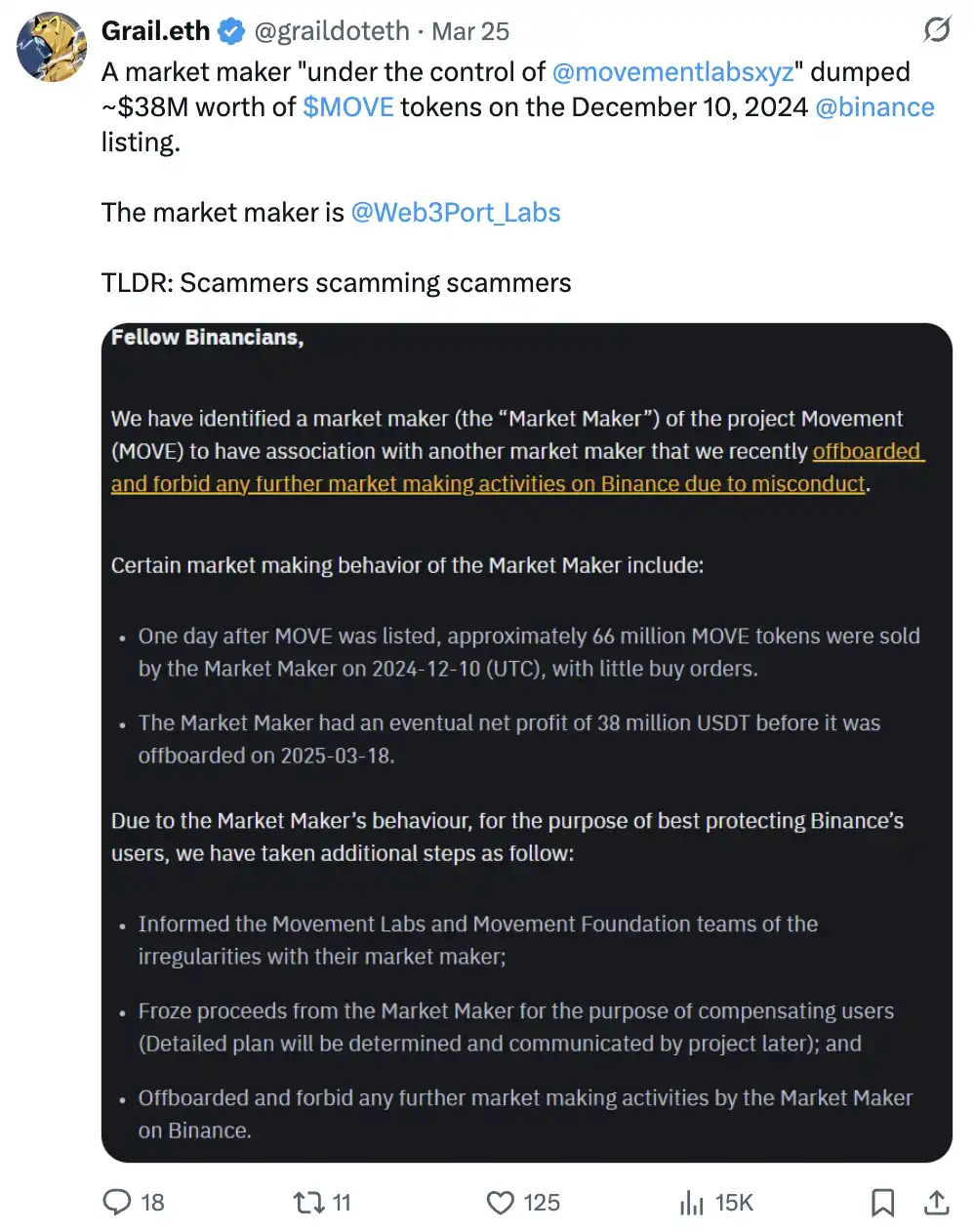
In short: scammers scamming scammers.
They profit with each entry and exit. Market makers — the hidden force managing liquidity — ensure every transaction is watched and taxed. Developers build continuously, not always for innovation, but to create more sellable land. And what of the marketers? They weave stories, craft narratives, selling dreams to the next hopeful settlers.
The dark side of Web3 is that it is no longer truly decentralized. The early vision of a freely open digital frontier has been replaced by the harsh reality of capital.
The same forces that dominated Web2 have infiltrated Web3. They settle not just inhabit but reshape this planet to suit their needs. Thus, the Web3 world expands, becoming an endless frontier of digital land, speculation, and fleeting opportunities.
The dream of true decentralization still exists. Settlers continue to arrive, hoping to strike it rich, but in the end, most leave poorer than they arrived.
Meanwhile, those who hold the system continue to extract, build, and control, ensuring this planet remains shaped by them.
You may also like

$15K+ Profits: The 4 AI Trading Secrets WEEX Hackathon Prelim Winners Used to Dominate Volatile Crypto Markets
How WEEX Hackathon's top AI trading strategies made $15K+ in crypto markets: 4 proven rules for ETH/BTC trading, market structure analysis, and risk management in volatile conditions.

A nearly 20% one-day plunge, how long has it been since you last saw a $60,000 Bitcoin?

Raoul Pal: I've seen every single panic, and they are never the end.

Key Market Information Discrepancy on February 6th - A Must-Read! | Alpha Morning Report

2026 Crypto Industry's First Snowfall

The Harsh Reality Behind the $26 Billion Crypto Liquidation: Liquidity Is Killing the Market

Why Is Gold, US Stocks, Bitcoin All Falling?

Key Market Intelligence for February 5th, how much did you miss out on?

Wintermute: By 2026, crypto had gradually become the settlement layer of the Internet economy
Tether Q4 2025 Report: USDT Market Cap Nears $190 Billion, Multiple Metrics Reach All-Time Highs

Kyle Samani's about-face, one of the biggest believers in web3, has also left the industry

Bhutan Quietly Sells Over $22M in Bitcoin, Drawing Speculation Over Possible Moves
Key Takeaways Bhutan has transferred over $22 million in Bitcoin from sovereign wallets in the past week. The…
BitMine Endures a $7B Unrealized Loss as Ethereum Dips Below $2,100
Key Takeaways BitMine is facing a significant financial challenge with an unrealized loss of over $7 billion in…

Trump-Linked World Liberty Financial Under Scrutiny Following $500 Million UAE Stake
Key Takeaways A U.S. House investigation is examining a $500 million UAE stake in Trump-related World Liberty Financial.…

Asia Market Open: Bitcoin Tumbles as Asian Equities Reflect Global Tech Retreat
Key Takeaways: Bitcoin’s price plunged by 6% to $72,000, reflecting the spillover effects from the global tech sector’s…

Crypto Firms Propose Concessions to Banks as Stablecoin Disputes Stall Key Crypto Bill
Key Takeaways: Crypto companies are attempting to navigate stablecoin disputes with banks but agreements remain elusive. Industry representatives…
CoolWallet Introduces TRON Energy Rental to Minimize TRX Transaction Costs
Key Takeaways CoolWallet has integrated TRON’s energy rental services, offering users lower transaction fees while maintaining asset security.…

CFTC Officially Withdraws Biden-Era Proposal to Ban Political and Sports Prediction Markets
Key Takeaways: The CFTC has rescinded a 2024 proposal and subsequent 2025 advisory that aimed to prohibit event…
$15K+ Profits: The 4 AI Trading Secrets WEEX Hackathon Prelim Winners Used to Dominate Volatile Crypto Markets
How WEEX Hackathon's top AI trading strategies made $15K+ in crypto markets: 4 proven rules for ETH/BTC trading, market structure analysis, and risk management in volatile conditions.


 App
App