
How to Swiftly Open and Close Positions on WEEX:A Step-by-Step Guide

 Prefer us on Google
WEEX offers a dynamic feature that allows traders to rapidly open and close positions at market price. Whether you’re a seasoned trader or a beginner, this tool helps you respond to market shifts quickly and trade efficiently. This guide outlines the steps to open and close positions seamlessly on WEEX.
What Does Opening and Closing Positions Mean?
Opening or closing a position at market price on WEEX means the system instantly places an order at the most favorable price available. This ensures your order is executed as quickly as possible, aligning with current market conditions.
Steps to Open and Close Positions
Set the Quantity
Begin by determining the quantity, or number of contracts, for your position. This defines how much you want to buy or sell at market price.
Execute Your Order
After setting the quantity, place your order at market price. The system will automatically select the best available price, allowing you to enter or exit the market without delay.
Trailing Mechanism for Unfilled Orders
If your order isn’t fully executed immediately, WEEX employs a trailing mechanism. The system will keep trying to fill the order by adjusting it to a more executable price at regular intervals.
Order Termination After Repeated Attempts
If the order remains unfilled after multiple tries, the system will cancel it. This prevents partially executed positions, keeping your trading process smooth.
Key Information to Understand
Multiple Transaction Records
When opening or closing positions at market price, your transaction history may show multiple entries at varying prices. This occurs if the system fills your order in parts, each at a slightly different price.
Unexecuted Orders
Sometimes, an order may not be fully completed after several attempts. In such cases, the system terminates the transaction to avoid leaving you with an incomplete position.
Liquidation Safeguards
If the reasonable mark price hits your position’s estimated liquidation price, the system prioritizes liquidation. A liquidation bot activates first to manage your position securely and efficiently.
Why Quick Positioning Matters
In fast-moving markets, swiftly opening and closing positions can be transformative. Using WEEX’s market price feature, you can:
Seize Market Opportunities: Act instantly when you identify a trading chance or need to limit losses.
Streamline Execution: Save time by avoiding delays and capitalizing on market moments.
Minimize Slippage: Rapid trades in volatile conditions help secure better prices and reduce slippage.
Conclusion
WEEX’s ability to quickly open and close positions at market price is a vital tool for traders. By following these steps, you can execute trades efficiently and stay responsive to market changes. If an order isn’t fully filled, the trailing mechanism retries it, ensuring you don’t miss out.
Stay ahead with WEEX’s fast and efficient trading capabilities at your fingertips.
For more insights and updates, visit the WEEX platform for the latest features and news!
This content is provided for general informational purposes only and doesn't constitute financial, investment, legal, or tax advice. Any events, rewards, online promotions, or related information mentioned herein should not be considered a recommendation, solicitation, or invitation to purchase, sell, trade, or otherwise deal in any crypto assets. Crypto assets are highly volatile and may result in loss. The availability of WEEX services, products, and related events may vary by region. You are responsible for ensuring that your participation is in accordance with applicable local laws and regulations.
You may also like

How to Buy Crypto with PayPal: The Custody Catch Most Beginners Miss
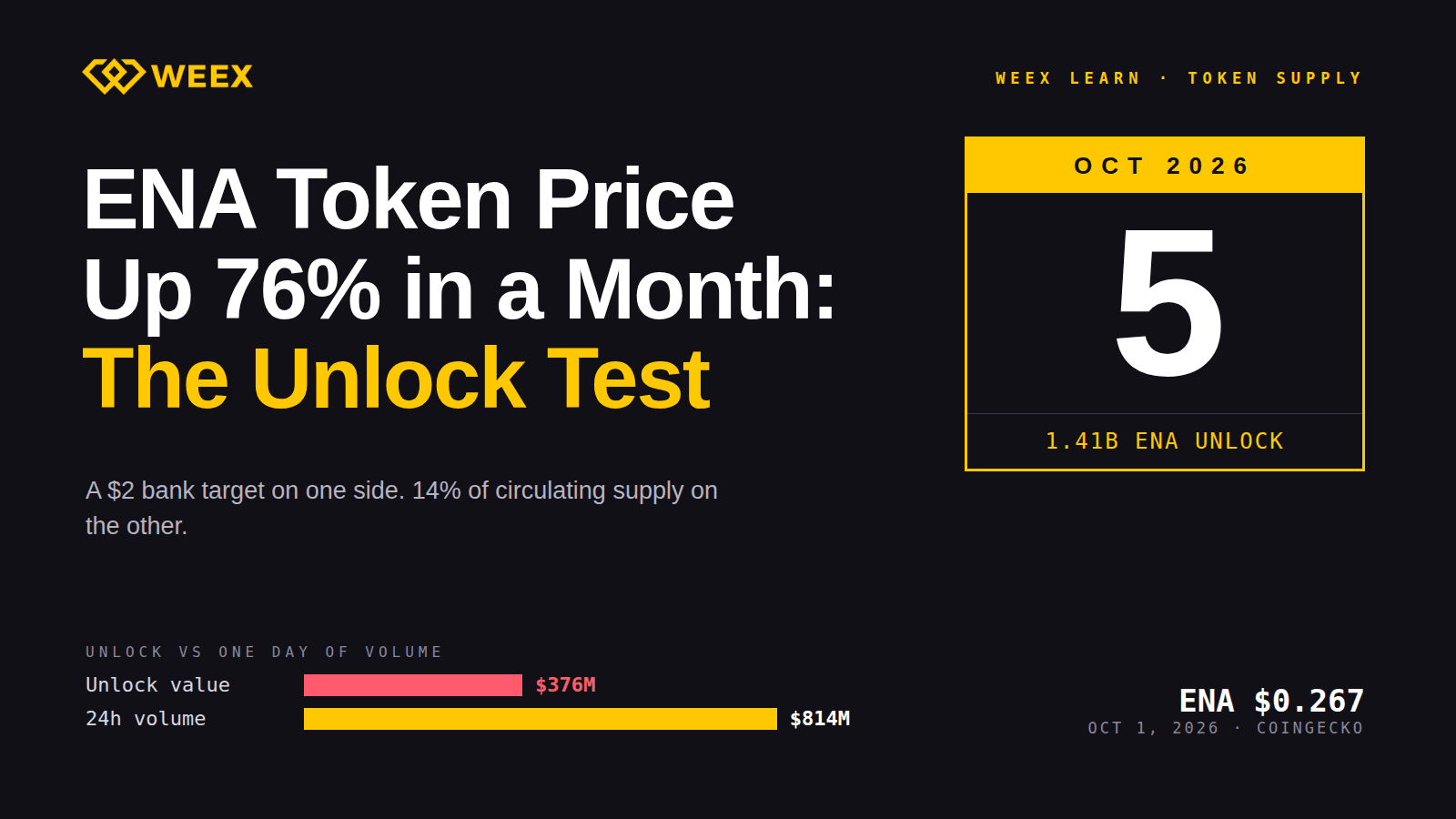
ENA Token Price Up 76% in a Month: The October 5 Unlock Test
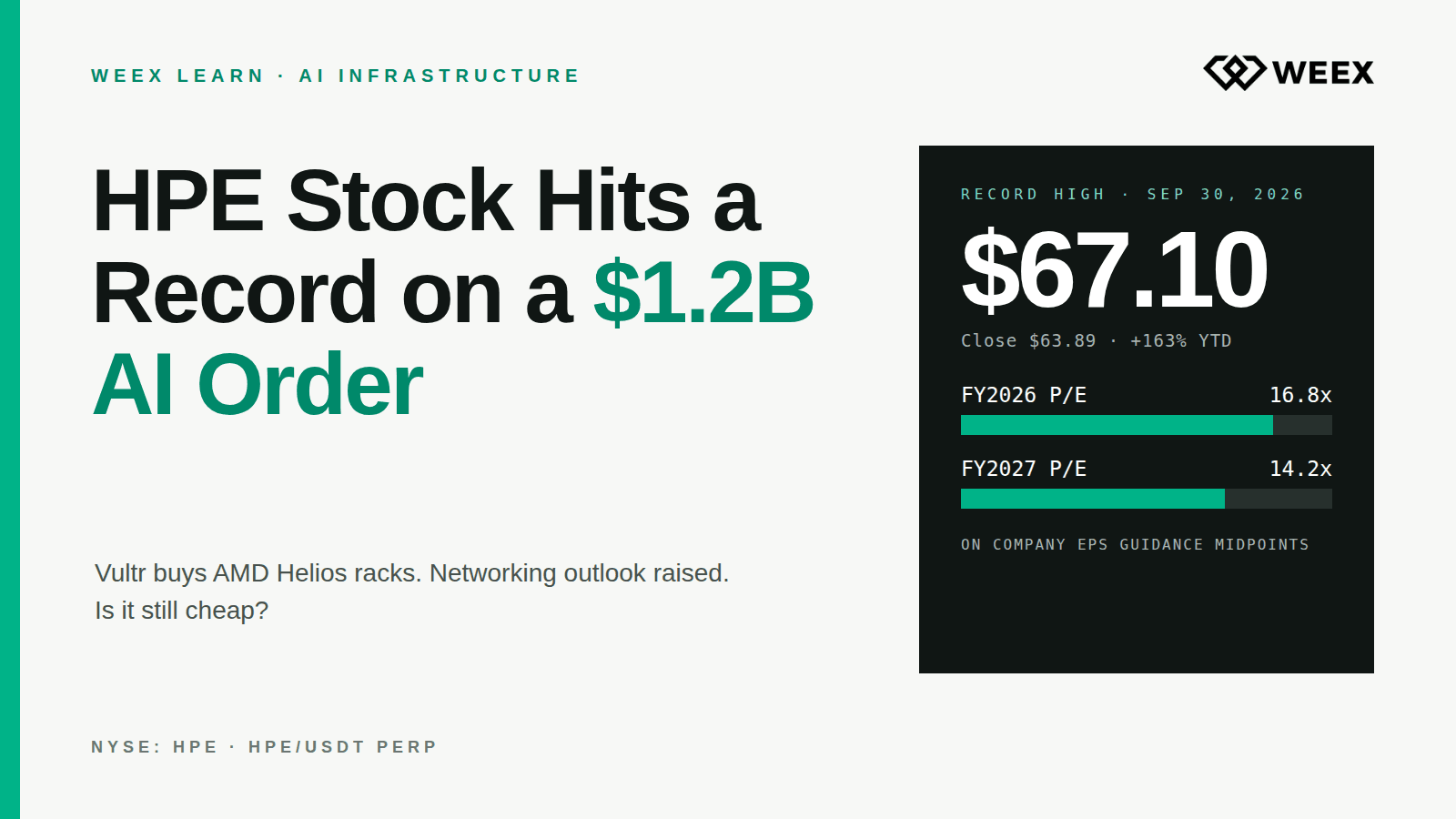
HPE Stock Hits a Record on $1.2B AI Order: Is It Still Cheap?
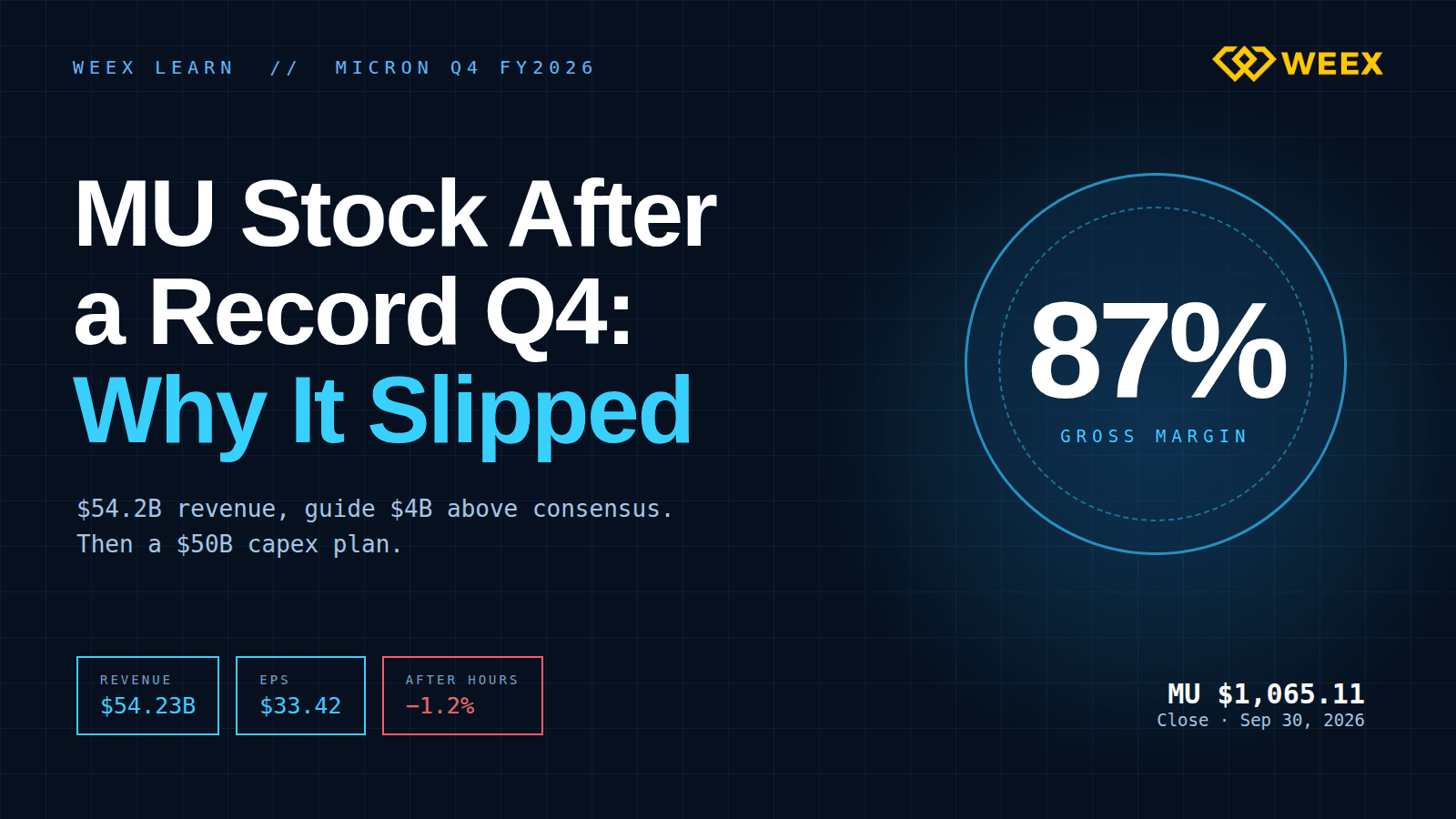
MU Stock After a Record Q4: Why Micron Slipped on a Huge Beat
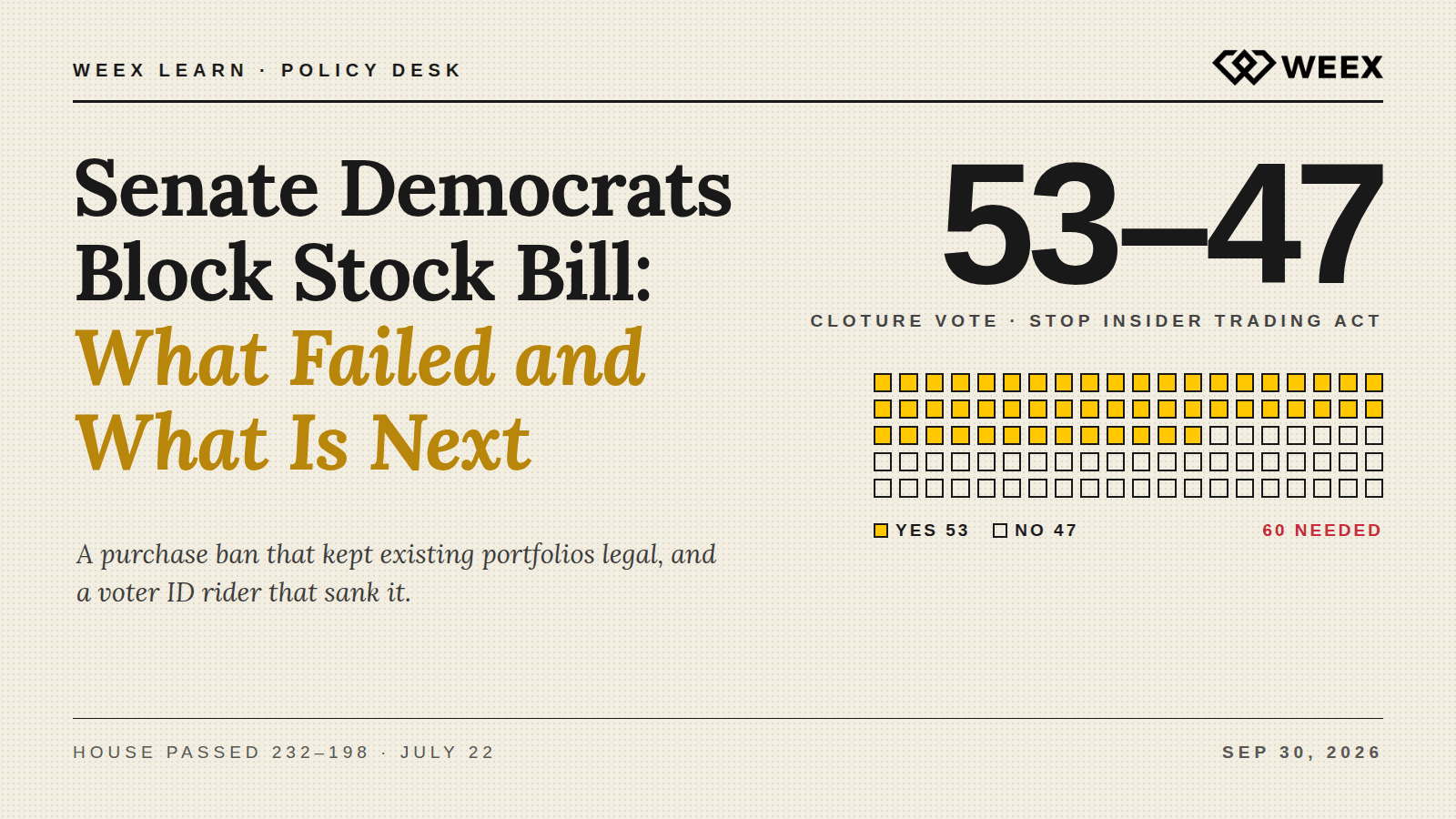
Senate Democrats Block Stock Bill: What Failed and What Is Next
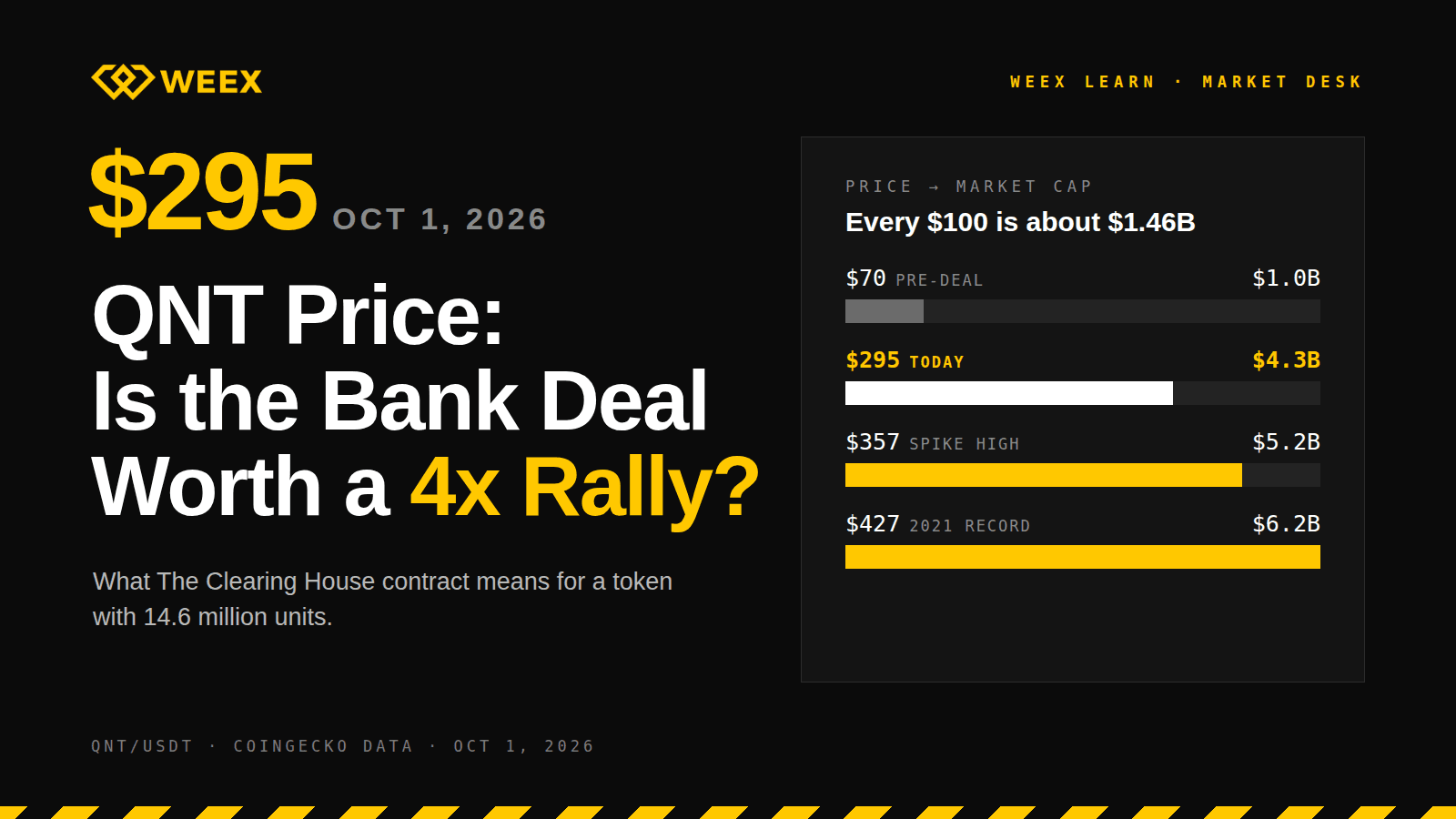
QNT Price Near $295: Does the Bank Deal Justify a 4x Rally?

FICO vs VantageScore: What the New Fannie Mae and Freddie Mac Rule Actually Means for Your Mortgage
How Tether Freezes USDT: Address Blacklists and Holder Checks

Best Crypto Exchange for Beginners 2026: What Your First $100 Actually Goes Through
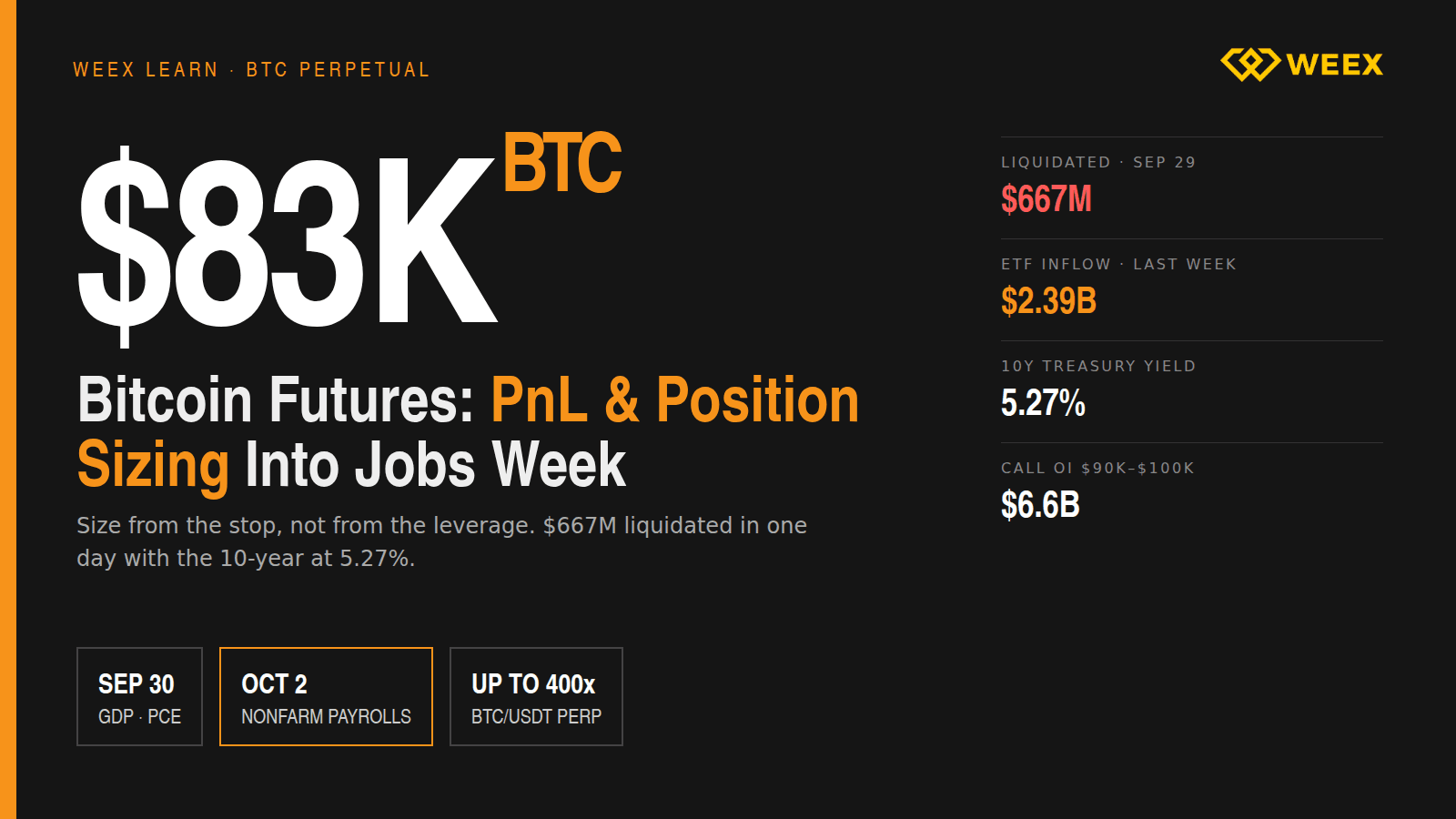
Bitcoin Futures at $83K: PnL and Position Sizing Into Jobs Week
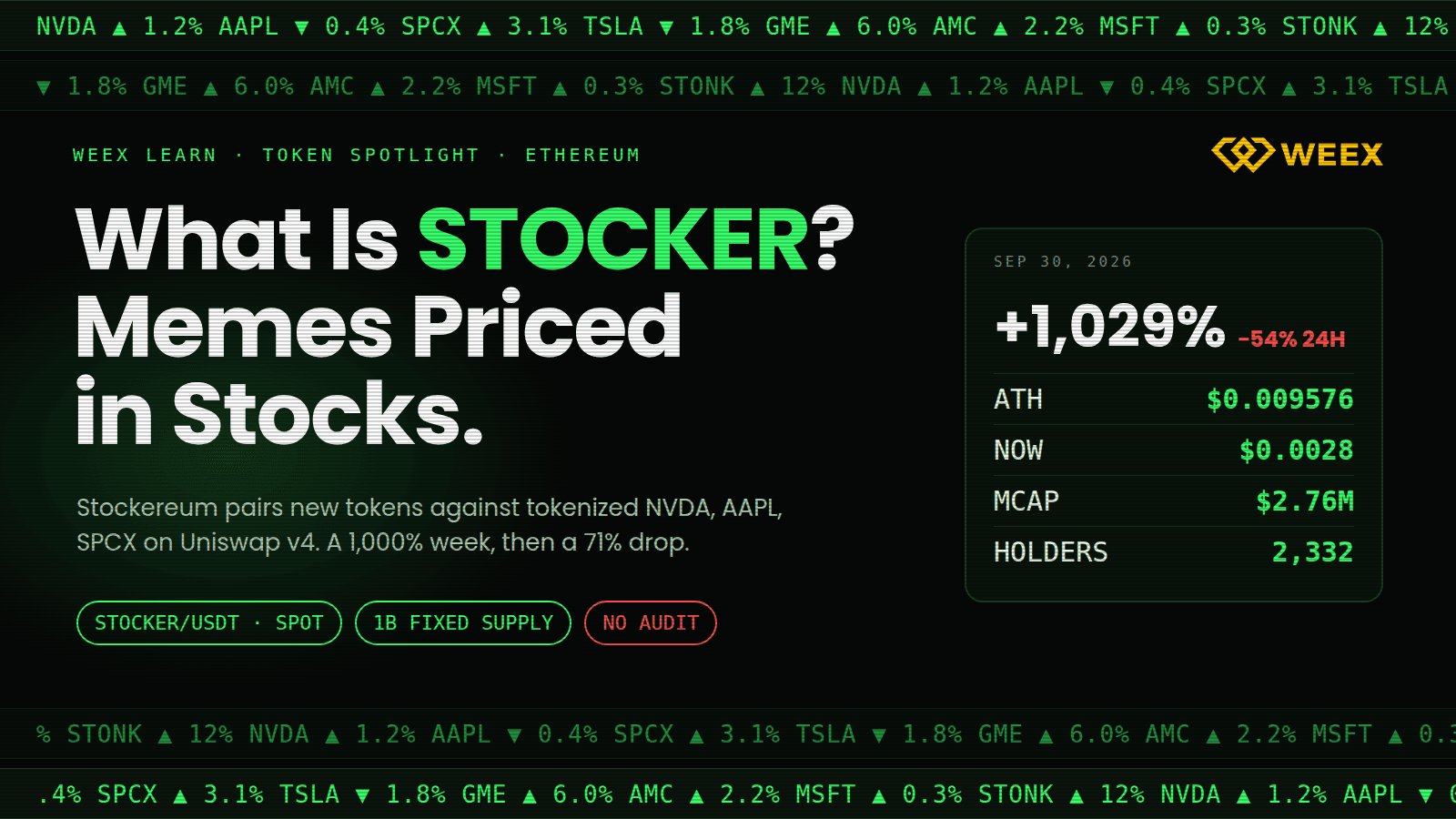
What Is STOCKER? Stockereum, Stock-Paired Meme Tokens, and Risks
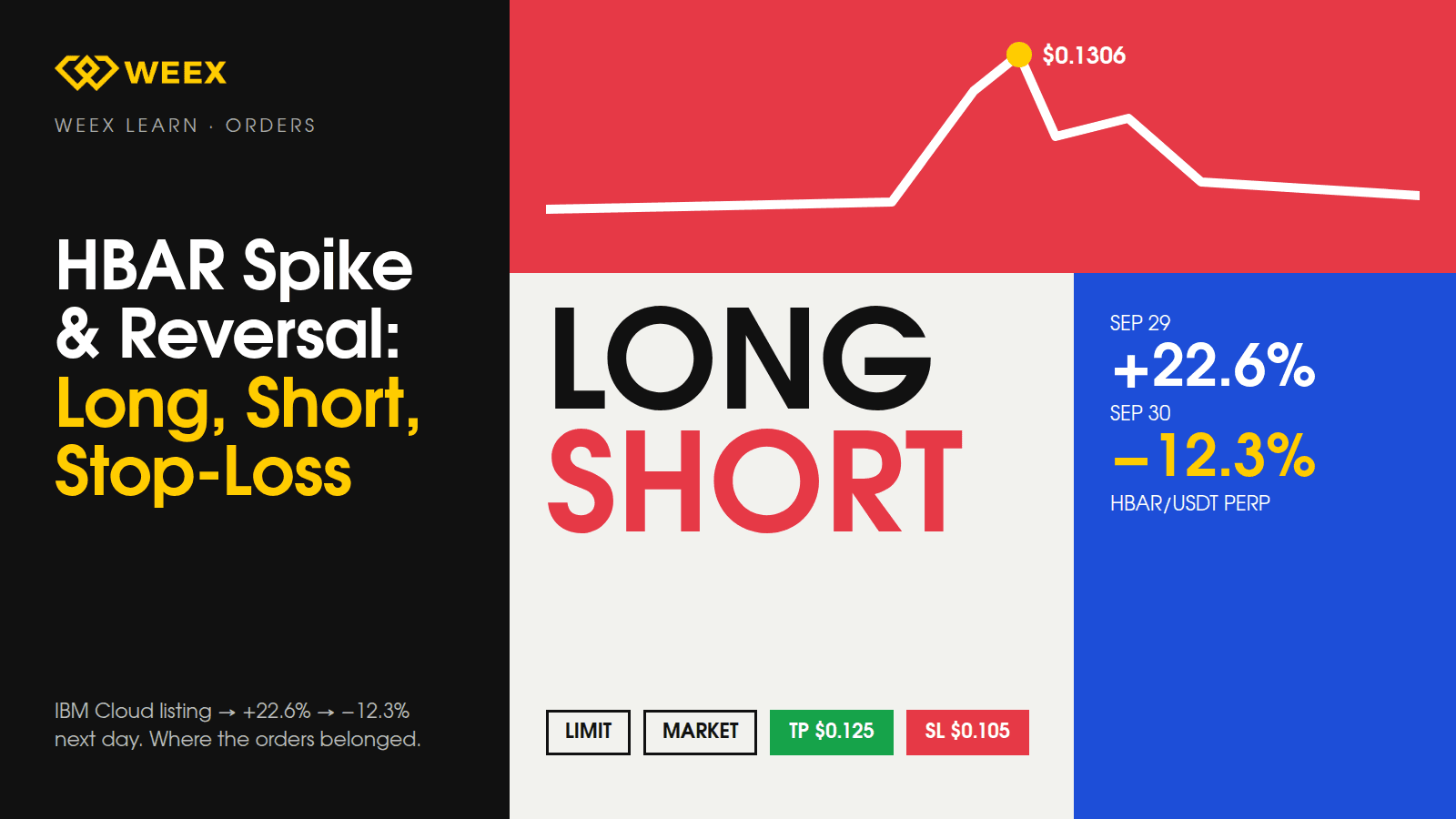
HBAR Price Spike and Reversal: Long, Short, and Stop-Loss Orders
QNT Futures After a 280% Rally: Leverage and Liquidation Math
XRP Upgrade Update: XRPL Batch Slips to Oct 9 and What Changes
WIF and POPCAT Price Rally: Can the Solana Meme Rotation Hold?

How to manage Idle USDT? Top 5 Platforms to Earn Passive Income in 2026 OCT
What Is XDP? Can Doppler Finance Break $0.03 in October 2026?

What Is Coinbase Wrapped Zcash (cbZEC)? How It Brings Zcash to Base Without Native ZEC Privacy

Safest Crypto Wallet in 2026: Matching Wallet Type to the Threat You're Actually Worried About

What Is Coinbase Wrapped HYPE (cbHYPE)? How It Works on Base, 1:1 Backing, Risks, and HYPE Conversion
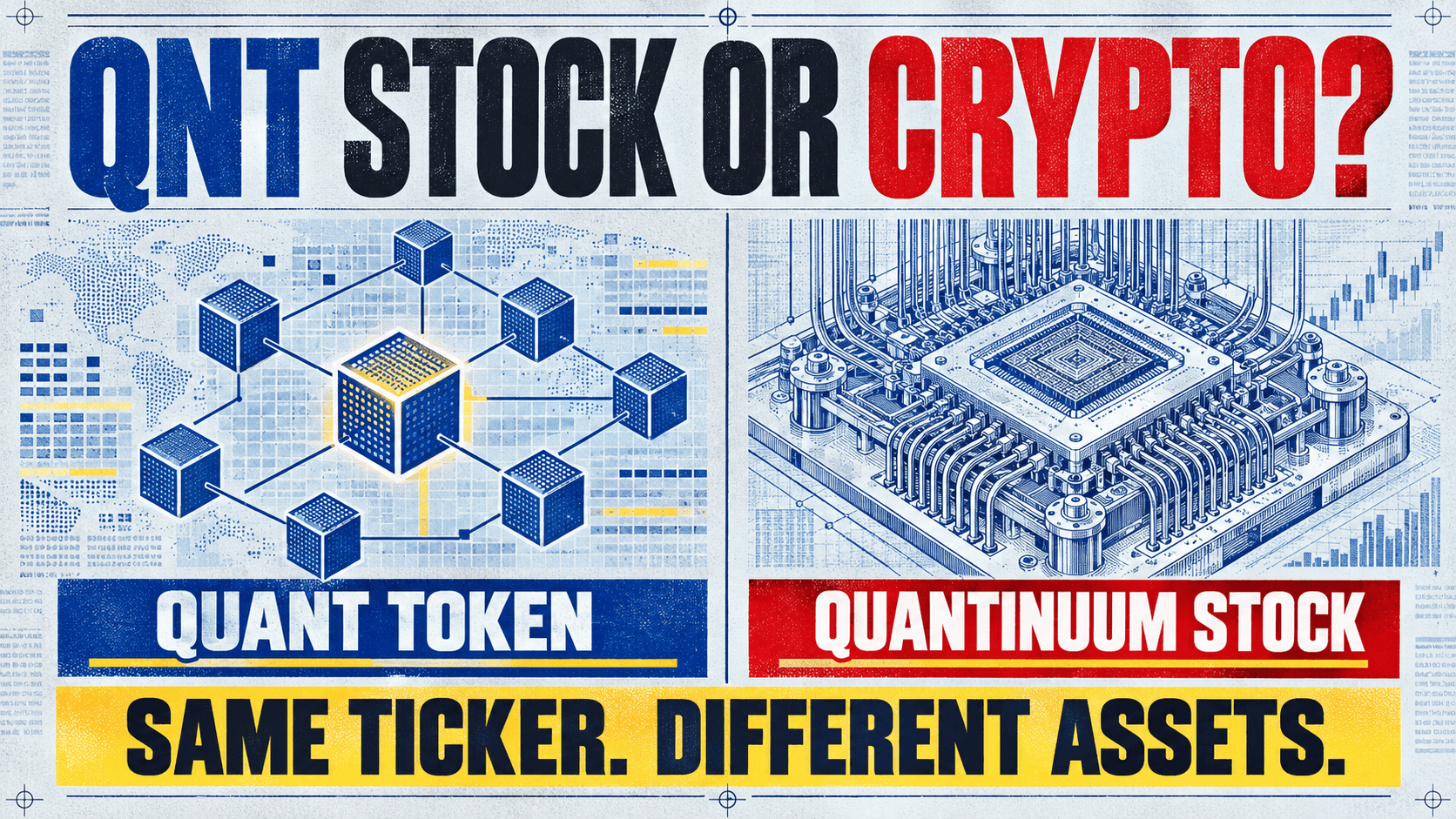
Is QNT a Stock or Crypto? Quant (QNT) and Quantinuum Stock Are Not the Same Asset
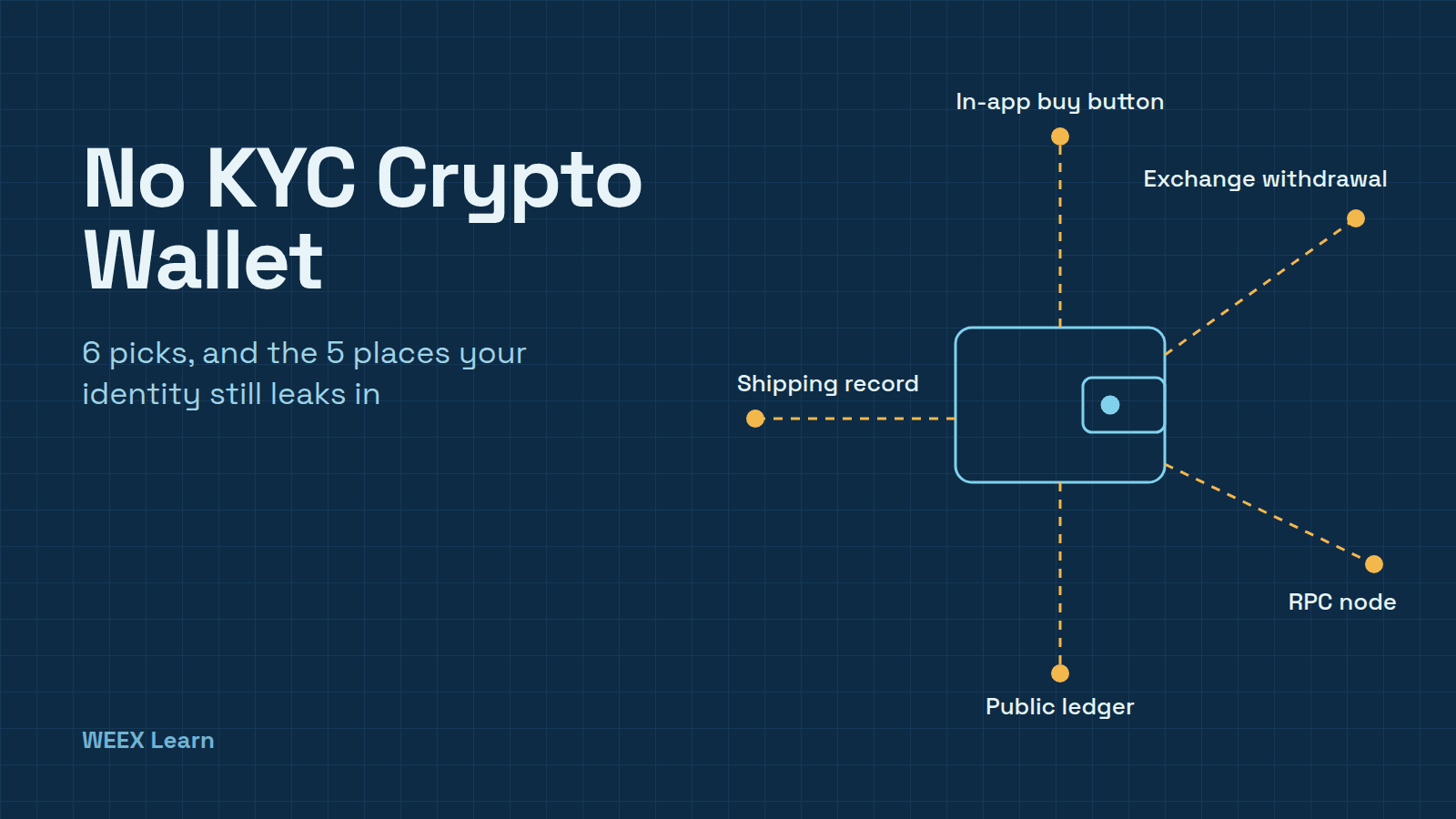
No KYC Crypto Wallet: 6 Picks and 5 Places Your ID Still Leaks
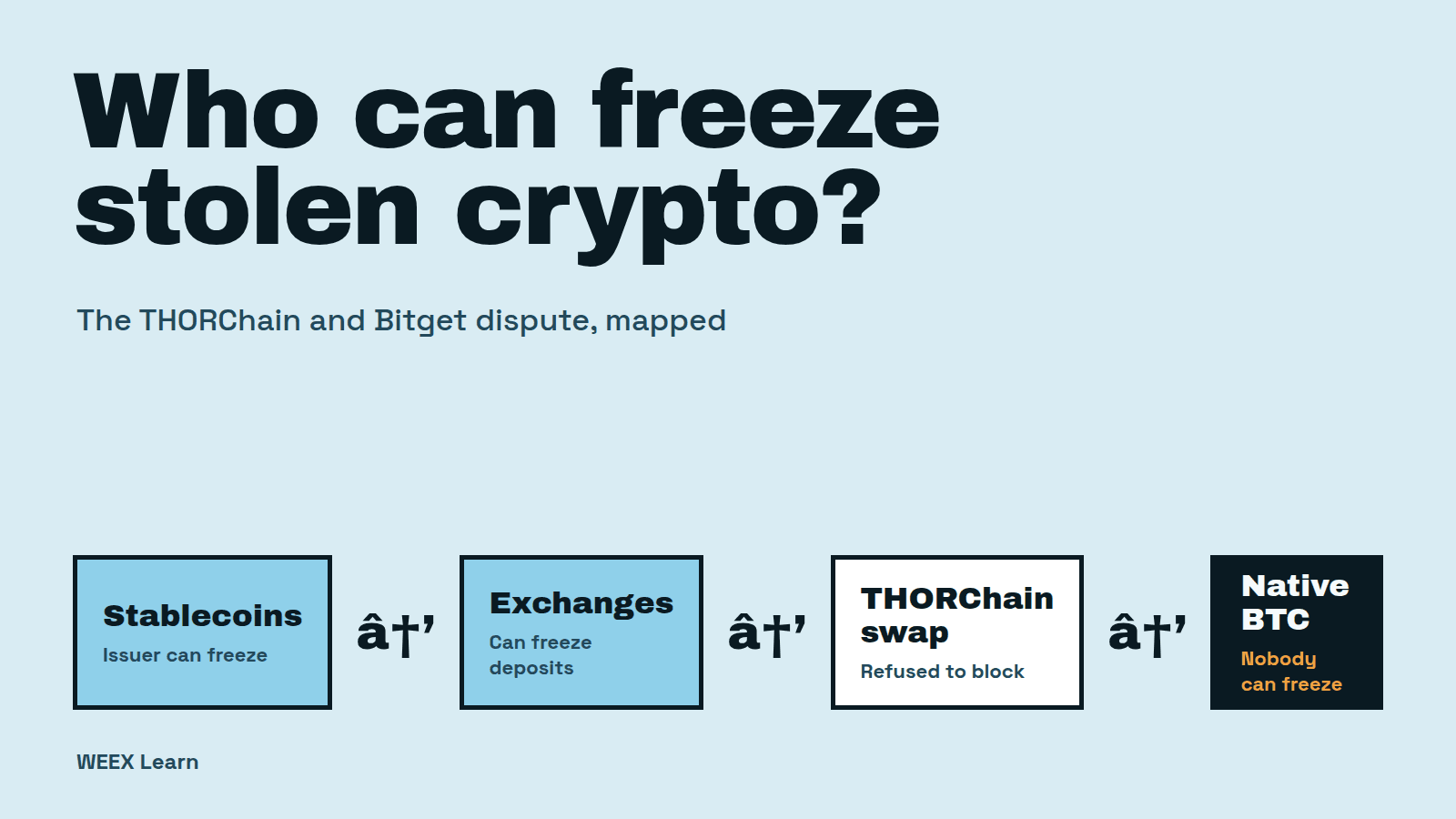
THORChain Bitget Dispute: Who Can Actually Freeze Stolen Crypto?

What Is Quant (QNT) Crypto? How Overledger Works, QNT Utility, and Token Supply Explained

Best Decentralized Crypto Wallet for Beginners: What Self-Custody Really Asks of You

Best Crypto App for Beginners: Exchange App, Wallet App, or Both?
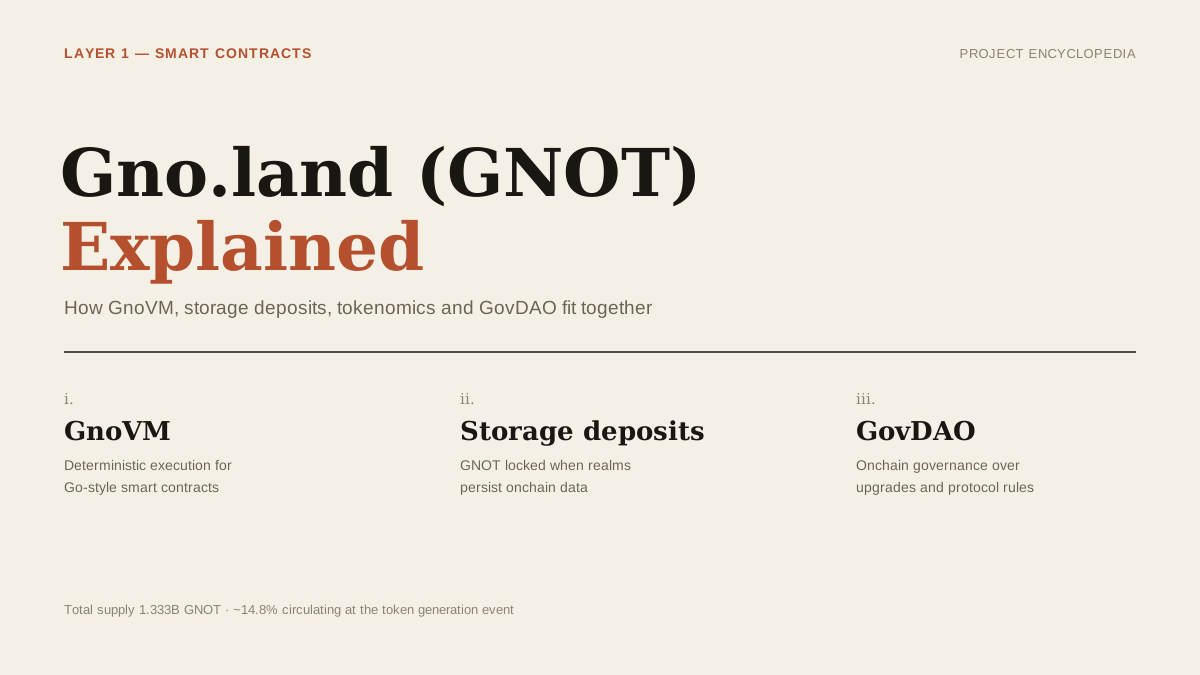
What Is Gno.land (GNOT)? How GnoVM, Storage Deposits, Tokenomics, and GovDAO Work
Which Stocks Are Undervalued Right Now? What the Major Screens Say in September 2026
Coincheck FLR DAI Delisting Dates and Holder Checklist

What an Iranian Parliament Report Says About Crypto Mining and Power Shortages
How to Buy Crypto with PayPal: The Custody Catch Most Beginners Miss
ENA Token Price Up 76% in a Month: The October 5 Unlock Test
HPE Stock Hits a Record on $1.2B AI Order: Is It Still Cheap?
MU Stock After a Record Q4: Why Micron Slipped on a Huge Beat
Senate Democrats Block Stock Bill: What Failed and What Is Next
QNT Price Near $295: Does the Bank Deal Justify a 4x Rally?
Contents
Popular coins
Latest articles


